Sugar and the psyche - how sweets manipulate your brain
Sugar activates the same regions of the brain as drugs. Sounds dramatic? But it's science. How to free yourself from the sweet trap.
The Sweet Trap
A slice of cake with coffee. A chocolate bar in the afternoon. An ice cream for comfort. Sugar accompanies us throughout the day—and feels harmless. But what happens in your brain when you eat sugar is anything but harmless.
Neuroscience studies show: Sugar activates the same reward circuits in the brain as cocaine and heroin. That doesn’t mean sugar is a drug—but it explains why it’s so darn hard to stop at just one cookie.
What Sugar Does to Your Brain
When you eat sugar, here’s what happens:
- Dopamine release — your reward center is activated. You feel good for a short time.
- Tolerance builds up — just like with other addictive substances, over time you need more sugar to feel the same effect.
- Withdrawal symptoms — studies show irritability, headaches, and cravings when sugar intake is reduced.
- Altered decision-making — high sugar consumption impairs the prefrontal cortex, which is responsible for impulse control.
The Sugar-Mood Cycle
Sugar gives you a quick energy boost—followed by an equally rapid drop in blood sugar. This crash leads to:
- Fatigue and difficulty concentrating
- Irritability and mood swings
- Increased anxiety and restlessness
- Cravings for more sugar (the cycle starts all over again)
In the long term, chronic high sugar consumption may be linked to depression. A study in the journal "Scientific Reports" showed that men who consumed more than 67g of sugar per day had a 23% higher risk of depression.
Hidden sugar Industrial sugar is hidden in over 70% of all processed foods - even in products that are marketed as "healthy": Fruit yogurt, muesli bars, smoothies, salad dressings, bread.
Living a Sugar-Free (or Low-Sugar) Life — Step by Step
1. Raise awareness
Read ingredient lists. Sugar has over 60 names: sucrose, glucose syrup, maltodextrin, dextrose, agave syrup… If you know where it’s hiding, you can make more informed choices.
2. Cut back gradually
A radical sugar detox can work, but often leads to relapses. Better: Cut out or replace one source of sugar each week.
3. Healthy Alternatives
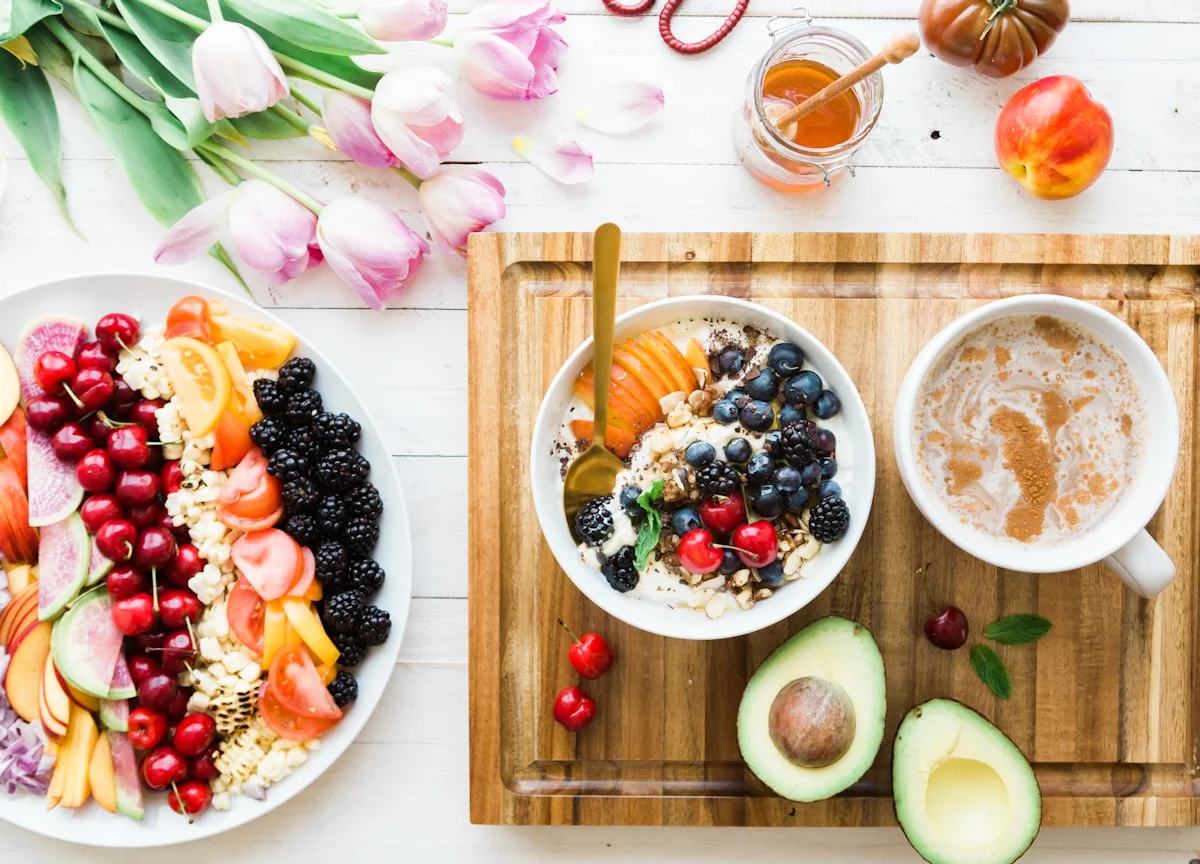
Fresh fruit, dates, nuts, dark chocolate (70% cocoa or higher), cinnamon, vanilla—they satisfy your sweet tooth with significantly less impact on your blood sugar.
4. Protein and fat for breakfast
A protein-rich breakfast stabilizes your blood sugar for the entire morning. Those afternoon cravings? They often disappear on their own.
5. Be patient with yourself
Your taste buds will adjust. After 2–3 weeks of eating less sugar, fruit will suddenly taste sweeter than before. Your taste buds are recalibrating.
Is fructose just as bad as industrial sugar?
Fruit sugar (fructose) in whole fruit is embedded in fiber, water and micronutrients - it is absorbed slowly and hardly affects blood sugar levels. Isolated fructose in soft drinks and processed foods is problematic.
How much sugar per day is okay?
The WHO recommends a maximum of 25g (6 teaspoons) of free sugar per day. The average German consumes around 90g. This does not include sugar from whole fruit, vegetables and milk.
Are sweeteners as addictive as sugar?
Sweeteners also activate the sweet taste receptor and can maintain the craving for sweets. Some studies suggest that they influence the insulin response. They can be useful as a transitional aid, but in the long term, weaning off the sweet taste is more sustainable.
Can you really be addicted to sugar?
In the strict medical sense, sugar is not an addictive substance. However, research shows that sugar can trigger neurobiological patterns similar to addictive behavior: Tolerance development, withdrawal symptoms and loss of control. Whether you call it an "addiction" or not, the suffering is real.