Give the Gift of Self-Love: The Most Personal Gift
Why a gift that honors the unique moment of a person's birth is the deepest form of appreciation.

Do you remember the last time you opened a gift and felt: This person really knows me? Not just your taste, not just your wish list—but you. That feeling is rarer than it should be. Because most gifts, no matter how well-intentioned they are, stay on the surface. They say, “I was thinking of you.” But the most beautiful gifts say, “I see you.”
That’s exactly what we mean when we talk about giving the gift of self-love. It’s not about expensive things or elaborate gestures. It’s about the willingness to truly engage with a person—with who they are, how they feel, and what they need. And it’s about gifts that aren’t just consumed and forgotten, but that last. Gifts that, every time you see or use them, whisper: “You are valuable. You are seen. You are allowed to be yourself.”
In this article, we’ll show you why personalized gifts are the deepest form of appreciation, how to create a truly meaningful gift for your partner, your best friend, or even yourself—and the psychological reasons behind why such gestures have such a lasting impact.
What Self-Love Really Means — and Why It Can Be Given Away
Self-love is neither a luxury nor a trend. From a psychological perspective, it is one of the most fundamental pillars of mental health. It describes the ability to treat oneself with kindness—with the same eyes with which we would look at a good friend. Not demanding, not judgmental, but compassionate and appreciative.
But self-love doesn’t arise in a vacuum. It grows through experiences, through relationships, and through moments when we’ve felt: I am welcome just as I am. And this is exactly where the gift comes into play. Because when we give someone a truly personalized gift—one that isn’t interchangeable but was tailored specifically for that one person—we’re sending a clear message: I’ve taken the time to think about you. I think you’re worth it.
This message is no small thing. Studies in social psychology show that the feeling of being seen and understood is one of the most fundamental human needs. It activates the same neural reward networks as physical affection. A gift that fulfills this need is therefore not just beautiful—it’s healing.
Giving the gift of self-love, then, means this: you’re not giving an object. You’re giving recognition. You’re giving the feeling of being seen. And that’s something no department store in the world can truly capture in its “gift ideas” section.

The Moment of Birth as a Unique Starting Point
Every person comes into the world at a specific moment. Viewed objectively, this moment is one of the most personal facts there is. It is unchangeable, unrepeatable, and absolutely unique. No other person has shared the same moment of birth. And yet, it is completely ignored in most gifts.
What would it mean to truly honor this moment? Not in an overly sentimental way, but as a conscious gesture: I acknowledge that you came into the world as a very specific person. Not just anyone—but you.
A personalized gift that captures a person’s moment of birth embodies precisely this attitude. It could be a custom-designed keepsake that records the date and time. It could be a personalized self-reflection profile that, based on the date of birth and psychological personality models, highlights the inner strengths and themes that shape this person. Or it can be a lovingly curated experience tailored to the needs and preferences typical of the month of birth—based on findings from developmental psychology, such as seasonal influences on early childhood.
What matters is the sentiment behind it: This moment was significant. And that’s why you are significant.
Why Personalized Gifts Have a Deeper Impact Than Store-Bought Surprises
There’s a well-documented difference between gifts we give and gifts that truly resonate. A gift can be expensive, aesthetically pleasing, and lovingly wrapped—and still feel superficial. Psychologically, this is called the “empathy gap”: the gap between what we think someone wants and what that person truly needs.
Personalized gifts bridge this gap. Not because they’re more expensive or elaborate—but because they require a different kind of thoughtfulness. To give someone a personal gift, I have to ask myself: What’s on this person’s mind right now? What might they have never treated themselves to? What would they wish for if they allowed themselves to wish?
Asking these questions is in itself a gesture of love. And the result—a gift that embodies these questions in an object or experience—is not forgotten. It is cherished, used, and passed on. It becomes part of that person’s story.
Research on the so-called “perceived effort” theory in social psychology shows that recipients don’t value a gift based on its monetary worth, but rather on the perceived effort the giver put into it. Someone who has put thought into it, who has listened, who has remembered—that person gives more than anything you could order online in a hurry.
Psychological Insight from Lisa, an expert at 7zen "The most valuable gift you can give someone is your genuine attention. Not what you wish for them—but what they truly need to see themselves."
Giving the Gift of Self-Love: Gift Ideas for Your Best Friend
Your best friend is often the person who knows you best—and at the same time, someone to whom you rarely say just how much you appreciate her. Yet a thoughtful, personalized birthday gift can express exactly what you sometimes can’t put into words.
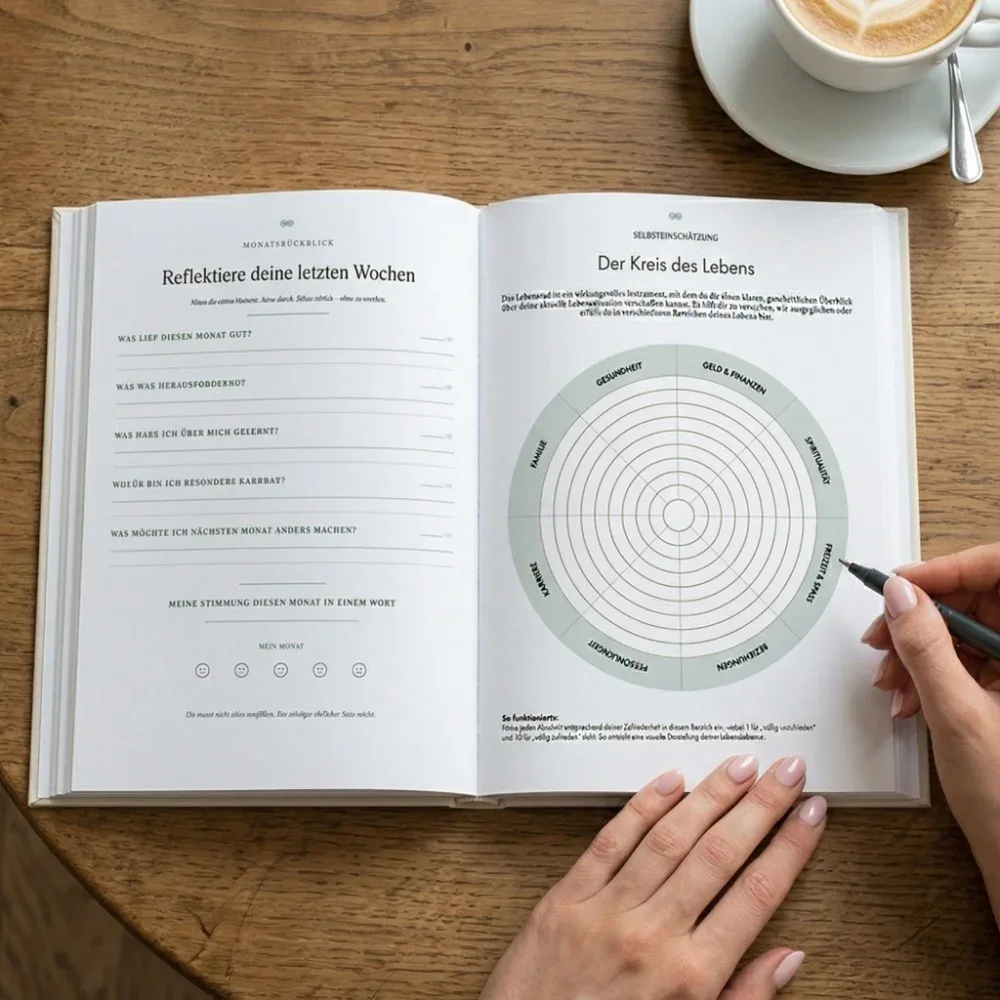
A Personalized Self-Reflection Journal
A high-quality notebook that you fill with personalized reflection questions—tailored to what’s on your friend’s mind right now—is a gift that makes an impact. Write questions like: “What was your bravest moment this year?” or “What do you love about yourself that others might not see?” It costs very little, but comes from the heart.
A Curated Wellness Getaway
Plan a day or weekend together that’s completely tailored to her: her favorite cuisine, her favorite form of exercise, a ritual she never treats herself to. Not a standard spa package—but her spa package, put together by you.
A personalized strengths profile
There are now well-researched, psychologically grounded tools for personal development that use self-reports or scientifically validated models to paint a detailed picture of one’s strengths. A profile like this, lovingly put together and perhaps accompanied by a personal letter, is a gift with real depth.
A book that’s truly meant for her
Not the book everyone’s reading right now. But the one book you know is just right for her. Because it addresses the issue she’s currently grappling with. Because it offers the perspective she’s looking for. A book with a handwritten dedication is one of the most personal gifts there is—and it costs barely more than a movie ticket.
Giving the Gift of Self-Love in a Relationship: Appreciation That Lasts
In a long-term relationship, something sometimes happens that couples therapists know all too well: You stop truly seeing each other. You live together, make plans together, eat together—but the feeling of being truly seen slowly fades. A personalized gift can rekindle that connection.
What makes a gift special in a relationship? It shows that you’re still paying attention. That you remember: the conversation three months ago when she casually mentioned she’d like to learn pottery someday. The mention of a book he’s been wanting to read for a long time. That little dream that gets lost in the daily grind.
Ideas for a meaningful, personalized gift for your relationship:
A shared experience you haven’t had as a couple yet—but one that suits both of you
A self-care evening, fully organized: No planning, no deciding—just be there and enjoy
A letter in which you write down what you’ve noticed about her or him this year—moments, qualities, growth
A personal work of art—a photo, a drawing, an object—that captures a shared moment that was meaningful to the other person
Appreciation in a relationship isn’t a one-time event. It’s a gift that says, “I see who you are and who you’re becoming”—and that plants a seed that keeps growing for a long time.

The Most Courageous Gift: Giving Yourself the Gift of Self-Love
There is a form of self-love that is particularly rare—and particularly effective: giving yourself a gift. Not out of a need to compensate or on impulse, but consciously and intentionally. As a gesture of self-appreciation.
Many people feel uncomfortable doing this. It seems self-centered to them. Or it doesn’t feel deserved. This is often where it becomes clear just how far your self-love has developed—and where there’s room for growth.
Giving yourself a gift—one tied to your birthday or another significant moment in your year—can be a powerful act of self-acknowledgment. It’s a symbolic statement: I’m worth the effort. I’m worth being seen—even by myself.
What you could give yourself
A day of retreat where you have no obligations and do only what makes you feel good—without any guilt at all
A coaching session or workshop on a topic that’s long interested you but has always been put on the back burner
A high-quality item you’ve wanted for a long time but have always put off buying—not as a reward for achievement, but simply because you find it beautiful
A personality assessment or a journey of self-reflection that helps you understand yourself better
Consciously saying “no” to a commitment around your birthday—and saying “yes” to something you truly want
From a psychological perspective, giving to yourself is a practice in self-compassion. You learn to extend the same generosity toward yourself that you so easily show to others.
Expressing Appreciation: Small Gestures That Make a Big Difference
Not every gift has to be an object. And not every gesture of appreciation has to wait for a special occasion. In fact, research in positive psychology shows that small, regular gestures of appreciation have a greater long-term impact than a single, large gift.
What do we mean by that?
A text message that says: “I was just thinking of you because…”
A handwritten note left on the breakfast table
Truly listening attentively during a conversation—without a cell phone, without distractions
Remembering something the other person mentioned in passing—and asking how it turned out
Giving a compliment that’s truly specific: not “You’re great,” but “I thought the way you handled things with your coworker yesterday was admirable”
These small gestures cost nothing but attention. And attention is perhaps the most valuable currency we have in relationships. It says: You’re important enough to me that I’m really paying attention.
A personalized birthday gift is a highlight of this attitude. But the attitude itself—the willingness to truly see—is the real gift.
In the end, it’s quite simple: The most personal gift you can give someone—or yourself—is this message: You don’t have to be anyone else. You’re just right the way you are.
That sounds simple. But how rarely do we actually hear that? How rarely do we allow ourselves to believe it?
Giving the gift of self-love doesn’t mean finding the perfect candle or the right book. It means pausing and truly asking: What does this person need to feel seen, valued, and loved? And then taking action. With care. With courage. With heart.
Because that’s what lasts. Not the bow. Not the wrapping paper. But the feeling: Someone took the time. Someone looked closely. Someone saw me.
That is self-love. Given as a gift.
What does it mean to give the gift of self-love?
Giving the gift of self-love means making someone feel truly seen, recognized, and valued. It’s not about finding the most expensive or elaborate gift, but one that speaks to the recipient’s identity, needs, and story. From a psychological perspective, such a gift fulfills the fundamental human need for belonging and recognition—and that has a lasting effect on emotional well-being.
Why are personalized gifts more effective than generic ones?
Personalized gifts show that the giver has truly taken the time to get to know the recipient. Social psychology shows that people don’t judge gifts by their monetary value, but by the perceived effort and thoughtfulness behind them. A gift that reflects a person’s personality, history, or current needs creates an emotional connection and leaves a lasting impression—far more so than a generic, run-of-the-mill present.
How can I give myself a meaningful gift?
Start by giving yourself the same attention you would give a good friend. Ask yourself: What have I wanted for a long time but always put off? What would really do me good—not as a reward for achievement, but just because? A meaningful gift to yourself could be a day of retreat, an experience you’ve never treated yourself to, or even a personality assessment that helps you understand yourself better. The key is this mindset: I’m worth the effort.
What are some good personalized birthday gift ideas?
Good personalized gifts come from truly listening and paying attention. Some ideas include: a custom-designed reflection journal with questions tailored to the person; an experience tailored to their preferences; a personal strengths profile based on psychological models; a piece of art or a photo that captures a meaningful moment you shared; or a letter in which you specifically describe what you’ve noticed and admired about that person this year.
How can I show appreciation in a relationship without making a big deal out of it?
Showing appreciation in a relationship doesn’t require grand gestures. Research shows that small, regular signs of appreciation have a greater long-term impact than one-time, spectacular moments. Specifically, this means: truly listening without distractions, remembering details your partner has mentioned in passing, giving specific compliments instead of general praise, and consciously creating moments when your partner feels fully seen. A personalized gift is a powerful expression of this attitude—but the attitude itself is the true foundation.
At what point is a gift considered truly personalized?
A gift is truly personalized if it resonates on at least one of these levels: the identity level (it reflects who that person is), the needs level (it fulfills a need they have—even if they haven’t expressed it), or the connection level (it refers to something that’s meaningful only to the two of you). A name on a mug is just a label—but not a truly personal gift. A gift that shows: “I’ve been listening, I’ve been thinking, I know you”—that’s what’s personal.