Strengthen the immune system: Natural ways to more vitality
How diet, exercise and mindfulness can strengthen your immune system in the long term - holistic, scientifically sound and suitable for everyday use.

There are moments when we sense that our bodies need more from us. Maybe it’s that leaden fatigue in October, when the days grow shorter and the third cold virus is making the rounds. Maybe it’s that quiet feeling of somehow not quite being on top of things—physically and emotionally. At 7zen, we believe: The immune system isn’t an isolated system that can simply be fixed with a pill. It’s a reflection of our entire lifestyle, our thoughts, our relationships, and our inner balance.
In this article, we’ll show you how to strengthen your immune system—naturally, using sound insights from psychology and health research. No miracle cures, no lists of supplements. Instead: real strategies you can integrate into your daily life today to gain more vitality, resilience, and inner stability.
What the Immune System Really Is—and Why It’s More Than Just Biology
When we think of health and immunity, we usually picture blood cells and antibodies. But the immune system is far more complex than a mere army of defenders in the blood. It is in constant communication with our nervous system, our hormonal balance, and—this is the key insight of modern psychoneuroimmunology—with our psyche.
Chronic stress, loneliness, persistent negative thought patterns: all of these leave measurable traces in immune function. Conversely, however, positive emotions, social connectedness, a sense of purpose, and inner peace have been proven to strengthen our defenses. This means that every decision you make for your well-being is simultaneously a decision for a stronger immune system.
This understanding is liberating. Because it shows us that we are not helpless. We are active shapers of our health—every day, in small moments.

Boosting the Immune System Through Diet: What Really Matters
The foundation of a strong immune system lies largely in the gut. About 70 percent of our immune cells are found in the gut-associated immune tissue. What we eat directly influences the composition of our microbiome—those trillions of microorganisms that help us fight off pathogens every day.
Fiber-rich foods such as legumes, whole grains, vegetables, and fruits are particularly valuable for the immune system. They nourish beneficial gut bacteria and promote a healthy mucosal barrier. Fermented foods like plain yogurt, kefir, sauerkraut, or kimchi also provide live cultures that directly enrich the microbiome.
In addition, certain micronutrients play an important role: Vitamin C from bell peppers, rose hips, and citrus fruits supports the function of white blood cells. Zinc from pumpkin seeds, nuts, and legumes is involved in the maturation of immune cells. Vitamin D, which our bodies produce naturally when exposed to sunlight, modulates numerous immune processes—during the dark winter months, a deficiency can noticeably weaken our defenses.
The most important principle remains remarkably simple: variety beats perfection. A colorful plate filled with foods that are as unprocessed as possible does more for the immune system than any single superfood obsession.
Exercise as a Natural Immune Booster – Finding the Right Balance
Regular physical activity is one of the most effective yet underrated ways to strengthen the body’s natural defenses. Moderate endurance exercise—such as brisk walking, cycling, swimming, or light jogging—boosts blood flow, improves the circulation of immune cells throughout the body, and has anti-inflammatory effects.
Studies show that people who engage in regular moderate exercise are less likely to develop respiratory infections and experience milder symptoms if they do fall ill. The mechanism behind this: During exercise, increased numbers of natural killer cells and T-lymphocytes are activated and released into the bloodstream. This effect persists for hours after the workout.
The key here is the emphasis on “moderate.” Paradoxically, intense high-performance training without sufficient recovery can weaken the immune system. The so-called “open-window phenomenon” describes a temporary decline in immune function following extreme physical exertion. Regularity and balance are therefore more crucial than maximum intensity.
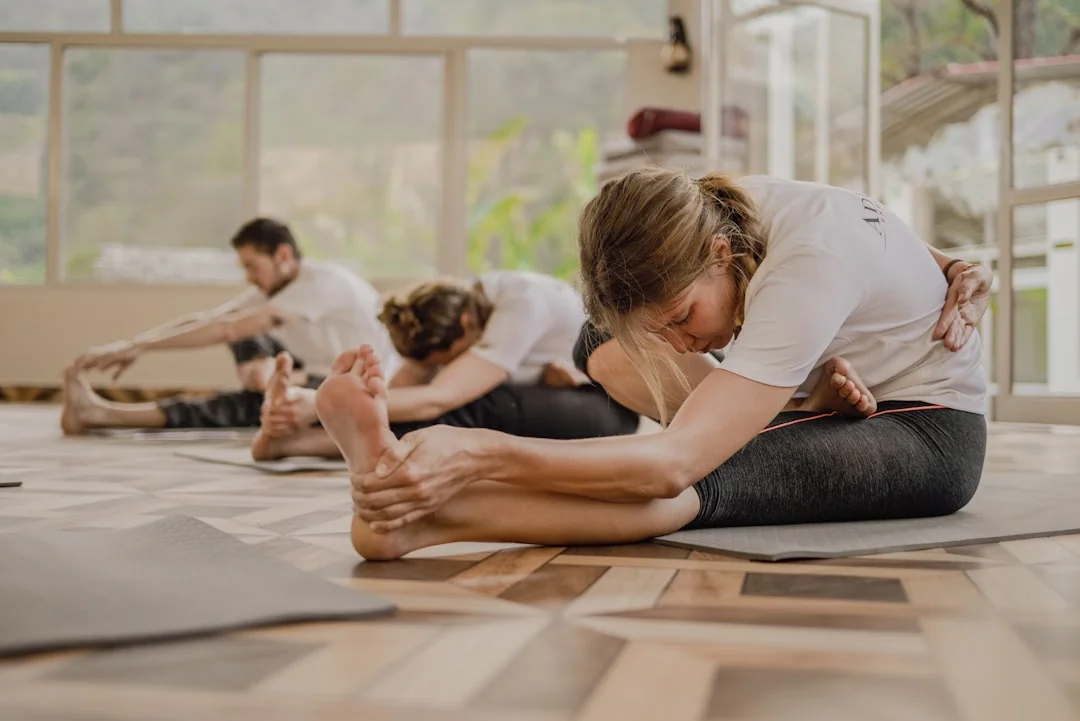
For everyday life, this means: Daily exercise—even in small doses—is clearly superior to extreme sports once a week. An evening walk, a short yoga session in the morning, or taking the stairs instead of the elevator: It is often the small, consistent choices that make the biggest difference in the long run.
Stress Management: The Underestimated Pillar of Immune Health
Chronic stress is one of the most powerful immunosuppressants we know of. When we feel under constant pressure, our bodies release increased amounts of cortisol—a stress hormone that can be life-saving in the short term but, in the long term, inhibits the activity of immune cells and alters inflammatory processes in the body.
The first step toward better stress management is to recognize stress for what it is: a physical reaction that requires regulation. Breathing exercises, progressive muscle relaxation, mindfulness meditation, and spending time in nature are methods whose immune-modulating effects are well-documented by science.
So-called coherence breathing is particularly effective: With this technique, you breathe in evenly for about five seconds and out for five seconds—for at least five minutes daily. This simple exercise activates the parasympathetic nervous system, lowers cortisol levels, and promotes a state of deep calm that directly impacts immune function.
Another important point: taking breaks is not a sign of weakness, but a strategy. Those who learn to consciously switch off and schedule genuine recovery time give their immune system the space it needs to function optimally. This can take the form of short breaks during the day, but also conscious evening rituals or digital time-outs on the weekend.
Sleep: The Most Powerful Tool for Regenerating Your Immune System
Regularly getting too little sleep severely weakens your immune system. This isn’t just a guess—it’s one of the most robust findings in sleep research. During sleep—especially during deep sleep phases—immune cells are activated, anti-inflammatory messengers are released, and immune memory is consolidated. In other words: The body trains its immune response at night.
Seven to nine hours of sleep per night are considered optimal for adults. But it’s not just the duration; the quality of sleep matters too. Regular bedtimes—even on weekends—help stabilize your internal rhythm. A cool, dark bedroom, avoiding screens in the hour before bed, and soothing evening rituals noticeably improve sleep quality.
Those who struggle to fall asleep can benefit from techniques such as body scan meditation: a guided journey of awareness through the body that releases tension and facilitates the transition to sleep. Keeping a brief evening journal—writing down three things you’re grateful for—also reduces ruminative thoughts and creates a calmer inner state for falling asleep.
7zen perspective "The immune system is not a protective wall that we put up - it is a balance that we maintain every day. Every small decision for more peace, more connectedness and more mindfulness is a gift to our body."
Social Connection and Positive Emotions as Immune Boosters
Loneliness makes you sick—this is not a metaphor, but a medical fact. Research shows that chronic social isolation strains the immune system in much the same way as chronic stress. Inflammation markers rise, resistance to viruses drops, and sleep quality deteriorates.
Conversely, deep social connections act as a natural immune booster. People with close, supportive relationships fall ill less often, recover faster, and subjectively report greater vitality. The quality of relationships matters more than the quantity. A single conversation that truly touches the heart can have a greater impact than ten superficial encounters.
Positive emotions such as joy, gratitude, compassion, and humor also have direct immunological effects. The field known as psychoneuroimmunology has shown that laughter increases the activity of natural killer cells, that experiencing gratitude reduces the release of stress hormones, and that compassion exercises improve inflammation regulation.
In practical terms, this means: Nurture your relationships like a garden. Make time for people who do you good. Allow yourself to laugh, play, and enjoy life. This is no trivial matter—it is preventive healthcare.
Nature, Light, and Rhythm: The Forgotten Foundations of Vitality
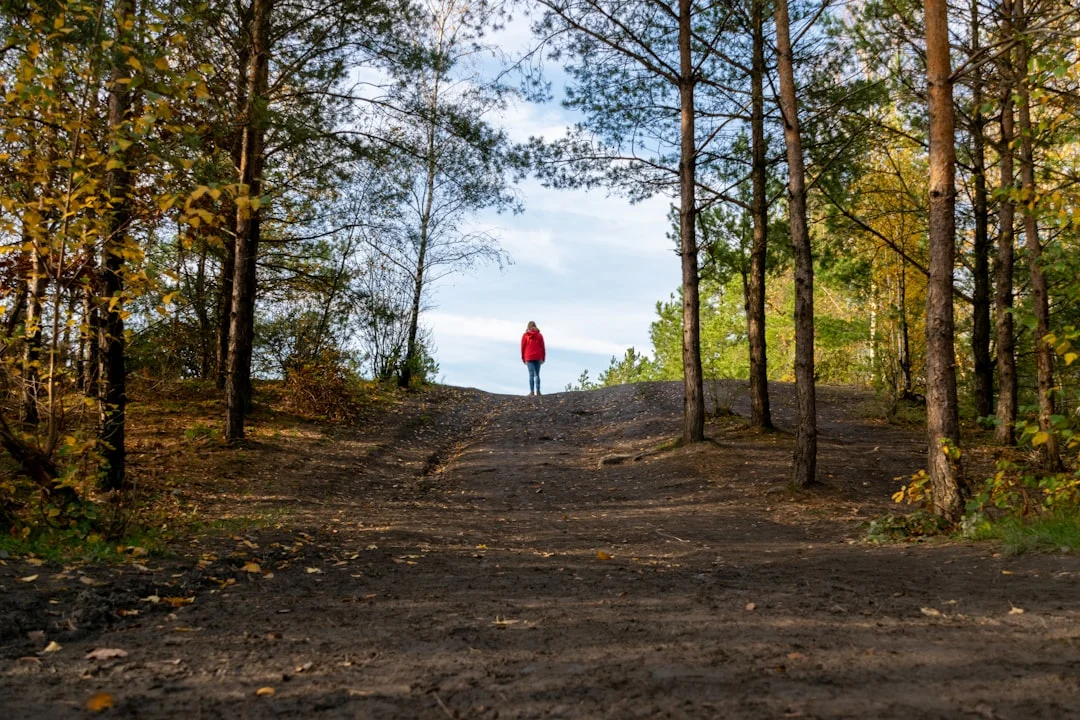
Our bodies are not designed for permanent indoor living, artificial light, and screens. We are biological beings that function optimally when interacting with the natural environment. Regular time spent in nature—even short walks through parks or forests—has been proven to lower cortisol levels, improve heart rate variability, and strengthen the immune system.
Japanese research on so-called forest bathing (Shinrin-yoku) shows that spending time in forests significantly increases the activity of natural killer cells—presumably through the inhalation of phytoncides, natural plant substances secreted by trees. But even without a forest, the same principle applies: morning daylight regulates the circadian rhythm, promotes melatonin production in the evening, and thus supports restful sleep.
Rhythm is the key word here. Our bodies thrive on regularity—regular meals, regular sleep schedules, regular exercise, and regular rest periods. When we support this natural rhythm instead of constantly fighting against it, we provide the immune system with a stable foundation.
Mental Attitude and Self-Efficacy: How Your Mind Shapes Your Immune System
It may sound surprising, but your inner attitude toward health has a measurable impact on your immune system. The concept of self-efficacy—the belief that your own actions make a difference—is a significant predictor of health behaviors and immune function.
People who believe they can actively contribute to their health actually behave in healthier ways, are more likely to follow through on resolutions, and exhibit a more robust immune response in stressful situations. Conversely, an attitude of helplessness—“I can’t change anything anyway”—fosters chronic stress and weakens the immune system.
Small, tangible successes are the most effective way to strengthen self-efficacy. So don’t start with a radical lifestyle overhaul, but with a single new habit. One extra glass of water a day. A ten-minute walk during your lunch break. Three deep breaths before reacting to difficult news. These small gestures add up—and at the same time, they strengthen your confidence in your own ability to shape your life.
That is perhaps the deepest message of this article: Health is not a goal you have to achieve—it is a relationship you nurture. Every day anew, with curiosity and kindness toward yourself.
Practical Tips: How to Boost Your Immune System in Your Daily Life
To ensure that all of this doesn’t remain just theory, here’s an overview of concrete everyday strategies that are easy to incorporate:
- Morning ritual: Start your day with a glass of lukewarm water and ten minutes of exercise or breathing exercises—this activates your circulation and lymphatic system.
- Colorful meals: Include at least three different types of vegetables or fruits every day. Each color provides different plant compounds and micronutrients.
- Movement breaks: Break up long periods of sitting every 60–90 minutes with short exercise sessions lasting two to five minutes.
- Evening digital routine: Turn off screens an hour before bed and replace that time with reading, relaxation exercises, or a conversation.
- Cultivate gratitude: Write down three specific things that went well each day—even small ones. This practice changes your perspective and has been proven to lower stress levels.
- Plan time in nature: Spend at least twenty minutes outdoors every day, preferably in daylight—even when the sky is overcast.
- Nurture relationships: Consciously set aside time with people who are good for you. Deep connection is immune protection.
None of these points is complicated. Together, they act like a stable net that supports your body and soul—even in stressful times.
How long does it take for me to feel an effect when I change my lifestyle?
This depends heavily on the initial situation and the measures chosen. Many people report the first noticeable changes - more energy, better sleep, calmer mood - after just two to four weeks of consistent behavioral change. Measurable immunological changes, such as an altered microbiome or a stabilized inflammatory status, tend to become apparent after several months. The decisive factor is regularity, not perfection.
Can I strengthen my immune system without dietary supplements?
Yes, absolutely. For most people with a balanced, plant-rich diet, supplements are not necessary. A colorful, varied diet usually provides all the necessary micronutrients. One exception is vitamin D in the winter months, especially in northern latitudes - in this case, medically supervised supplementation may be advisable. If in doubt, it is worth having a blood test done by a doctor to specifically address any actual deficiencies.
How much exercise is ideal for a strong immune system?
The World Health Organization recommends at least 150 minutes of moderate endurance exercise per week - the equivalent of about 30 minutes over five days. From an immunological point of view, daily, moderate exercise is more effective than infrequent, intensive sessions. Sufficient recovery is also important: those who do intensive sport should plan regeneration days so as not to strain the immune system.
What role does psychological stress really play for the immune system?
A very significant one. Short-term stress can even strengthen the immune system in the short term. Chronic, uncontrollable stress, on the other hand - which lasts for weeks and months - permanently increases cortisol levels, inhibits important immune cells and promotes systemic inflammation. Regular stress management through breathing exercises, mindfulness, exercise and social support is therefore not a luxury, but medically relevant prevention.
Can poor sleep actually make you ill?
Yes, studies show that people who regularly sleep less than six hours are significantly more susceptible to infectious diseases and take longer to recover. Central immune processes are regulated during sleep: Immune cells are activated, inflammatory responses are calibrated and immune memory is consolidated. Those who make sleep a priority are investing directly in their immune system.
Is exposure to cold - such as cold showers - really good for the immune system?
Exposure to cold can stimulate the immune system by stimulating the release of noradrenaline and the activation of immune cells in the short term. Regular cold showers or alternating showers are considered a well-tolerated method that also promotes blood circulation and trains mental resilience. However, it is a supplement to the basic measures - not a substitute for sufficient sleep, exercise and stress management.
If you’ve read this far, you may already sense the energy of this realization: You have more control over your health and vitality than you think. Strengthening your immune system doesn’t mean living a perfect life. It means becoming a little more mindful every day—of what’s good for you, of the people who nourish you, and of the small habits that sustain you.
At 7zen, we believe that health comes from within. Not as an achievement, but as a loving act of self-care. Every breath, every mindful meal, every night of good sleep is a step in that direction.
Your prompt for today: Choose a single habit from this article that feels right for you—and start today. Not tomorrow, not after the next stressful project. Now. Your body isn’t waiting for the perfect moment. It’s grateful for every moment you give it.