Breathing exercises & breathing meditation: the power of breathing
From pranayama to box breathing: discover how conscious breathing reduces stress, calms the mind and changes your life.
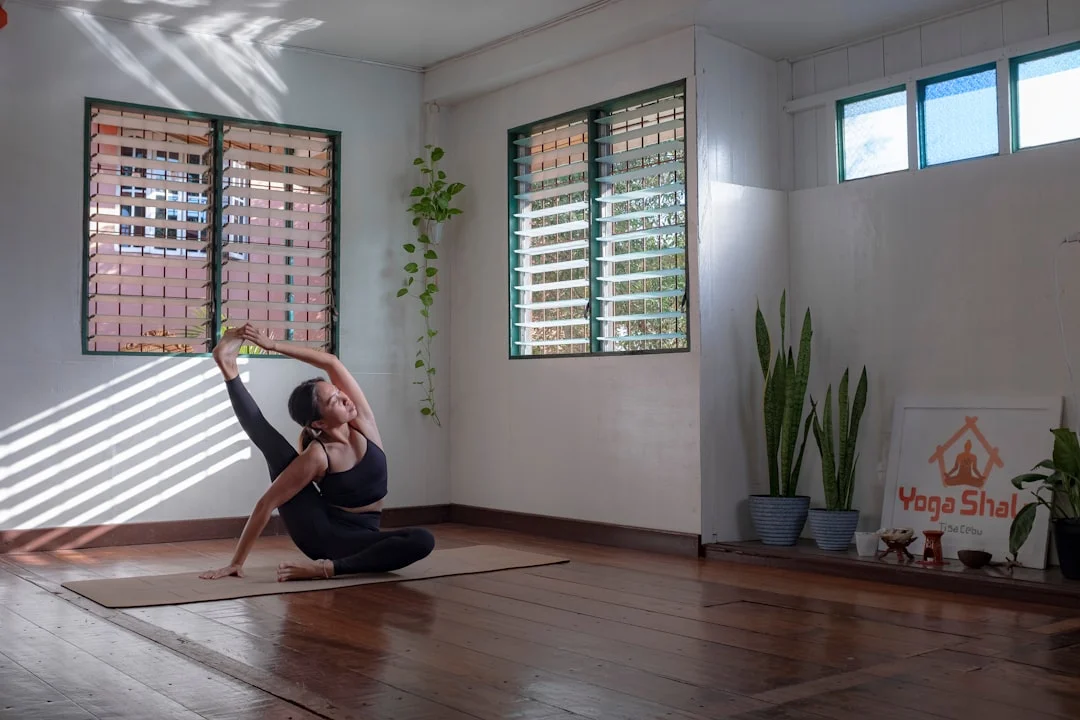
You breathe about 20,000 times a day—and most of the time, it just happens without you even thinking about it. But what if this very automatic process were the key to greater calm, clarity, and inner balance? Breathing exercises and breath meditation are among the oldest and, at the same time, most thoroughly researched tools for self-regulation. They cost nothing, are available everywhere—and their effects are more profound than most people realize.
This article is your comprehensive guide to the world of conscious breathing. We’ll show you what lies behind classic techniques like pranayama, which modern methods science finds particularly compelling, and how you can start using your breath as a powerful tool today. No prior knowledge required, no equipment needed—just you and your breath.
Why Conscious Breathing Is So Effective
At first glance, it sounds almost too simple: breathe in deeply, breathe out slowly—and that’s supposed to make a difference? In fact, there’s fascinating biology behind it. The breathing pattern we choose sends direct signals to our nervous system. Fast, shallow breathing activates the sympathetic nervous system—the so-called fight-or-flight mode. Slow, deep breathing, on the other hand, activates the parasympathetic nervous system—our body’s rest mode.
The key mediator here is the vagus nerve—the body’s longest cranial nerve, which connects the brain, heart, lungs, and digestive system. Prolonged exhalation, in particular, stimulates this nerve and sends a signal to the brain: It’s safe. You can let go. That’s exactly why mindful breathing has such an immediate and profound effect.
Added to this is heart rate variability (HRV)—a measure of how flexibly the heart responds to various demands. A high HRV is considered a sign of good stress resilience and mental health. Targeted breathing exercises, particularly so-called coherent breathing, can measurably improve HRV—as numerous studies in the field of psychophysiology have now shown.
Pranayama: The Millennia-Old Art of Breath Control
Long before Western scientists described the effect of breath on the nervous system, yogic traditions in India developed a sophisticated system of breathwork: Pranayama. The Sanskrit word is composed of prana (life energy, life breath) and ayama (extension, control). At its core, it is about not letting the breath happen passively, but rather consciously directing and regulating it.
The pranayama tradition encompasses a wide variety of techniques—from invigorating, energizing exercises like Kapalabhati (fire breathing) to calming methods such as Nadi Shodhana (alternate nostril breathing). What all these techniques have in common is that they train mindfulness, deepen body awareness, and create a direct connection between mind and body.
Modern science and ancient wisdom converge here in a remarkable way. What pranayama practitioners have observed for centuries—namely, that conscious breathing calms the mind and regulates energy—can now be explained through neurobiological concepts. This makes breath meditation one of the most exciting fields where tradition and research go hand in hand.
An Overview of Breathing Exercises: Which Technique Is Right for You?
There isn’t just one best breathing technique—rather, each method has its own benefits and specific use cases. Some exercises are ideal for acute moments of stress, while others are most effective when practiced daily over the course of weeks. Here, we’ll introduce you to the most important techniques so you can figure out for yourself which one feels right for you.
- Box Breathing — structured square breathing for focus and calm
- The 4-7-8 Technique by Dr. Andrew Weil — a natural calming aid
- Cyclical Sighing — the quick-fix method that has been particularly well-researched
- Coherent Breathing — 5-5 rhythm for long-term heart health
- Wim Hof Method — an intensive breathing system with powerful effects
- Nadi Shodhana — the classic alternate nostril breathing from the pranayama tradition
In the following sections, we explain each of these methods in detail—with step-by-step instructions, scientific background, and specific ways to apply them in everyday life.
Box Breathing: The Breathing Technique of High-Performance Athletes
Box Breathing—also known as square breathing—gained popularity through the U.S. Navy SEALs, who use it to keep a clear head in extremely stressful situations. But this technique is by no means limited to high-performance situations. On the contrary: It is one of the most accessible and universal breathing exercises there is.
How Box Breathing Works
The principle is incredibly simple—and it is precisely this simplicity that makes it so effective, because counting keeps the mind occupied and pulls it out of a spiral of thoughts:
- Inhale for 4 seconds — evenly and calmly through the nose
- Hold for 4 seconds — relaxed, without straining
- Exhale for 4 seconds — slowly through the mouth or nose
- Hold for 4 seconds — before the next breath begins
Repeat this cycle four to six times. You can extend the interval to five or six seconds once you’ve gained some practice. The symmetry of the four equal phases creates a kind of inner balance—the nervous system enters a state of calm alertness, which is ideal for decision-making situations, before presentations, or after a hectic meeting.
The 4-7-8 Breathing Technique: Natural Calming in Minutes
American physician and health researcher Dr. Andrew Weil developed the 4-7-8 breathing technique based on classical pranayama principles. He described it as a “natural sedative for the nervous system”—and this phrase captures its effect very well.
Step-by-step instructions
- Sit or lie down comfortably. Place the tip of your tongue behind your upper front teeth.
- 4 seconds: Breathe in calmly through your nose.
- 7 seconds: Hold your breath—relaxed and without tension.
- 8 seconds: Exhale completely and audibly through your mouth.
- Repeat the cycle three to four times.
The prolonged exhalation is the key factor: It activates the vagus nerve and signals the body to switch from a state of alert to a state of rest. This technique is particularly effective for difficulty falling asleep, after a heated argument, or during moments of acute inner tension. We recommend that beginners start at a slightly slower pace—the 4-7-8 ratio is more important than the exact number of seconds.
Cyclical Sighing: What Has Particularly Impressed Scientists
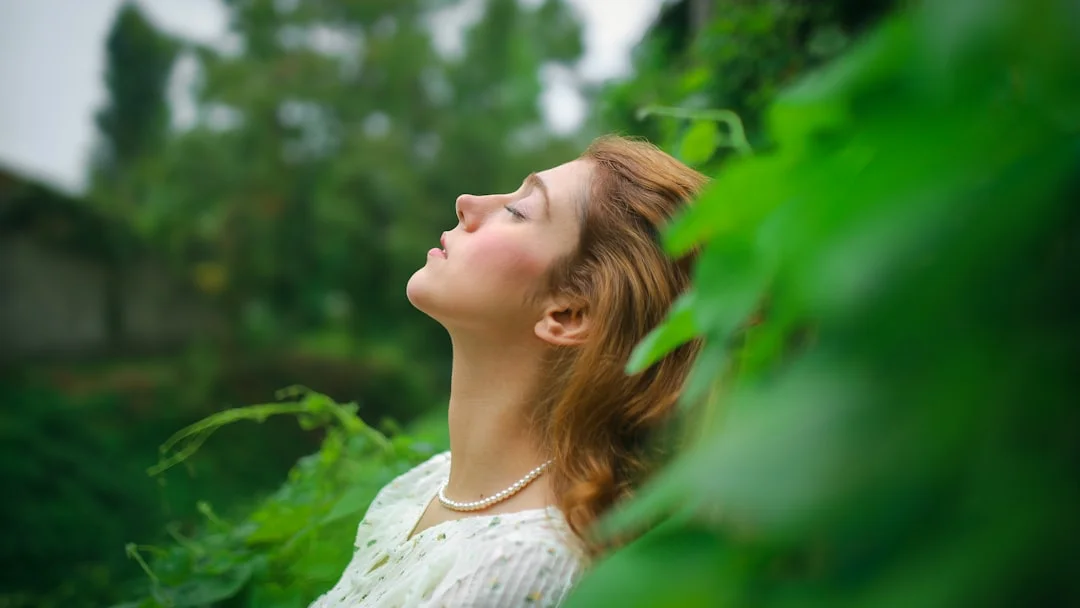
A study published in 2023 in the journal Cell Reports Medicine and conducted at Stanford University has caught the attention of the respiratory research community. The scientists compared various breathing and meditation techniques—and arrived at a surprising conclusion: so-called cyclic sighing was more effective at reducing stress and negative emotions than traditional breathing meditation without a specific pattern.
What is cyclic sighing?
In cyclic sighing, you consciously mimic a deep, double sigh—a reaction that the body, incidentally, produces spontaneously when the lung alveoli collapse and need to be reopened. Here’s how it works:
- First inhalation: Take a deep breath through your nose until your lungs are about two-thirds full.
- Second inhalation: Immediately take another short, additional breath through your nose—your lungs will fill completely.
- Long exhalation: Now exhale very slowly and completely through your mouth—longer than the inhalation phase.
In the study, just five minutes a day showed measurable effects on subjective well-being and the physiological stress response. What makes this special: The effect kicked in faster than with other techniques—an important consideration for anyone who has little time in their daily routine.
Wisdom on breathing practice "The breath is the bridge that connects life with consciousness, that unites the body with thoughts. Whenever your mind is scattered, use your breath as a means to find yourself again." - Thich Nhat Hanh
Coherent Breathing: Finding Inner Balance with the 5-5 Rhythm
Coherent breathing may sound technical at first—but in practice, it is one of the gentlest and most relaxing breathing exercises there is. The principle is based on the concept of cardiac coherence: When the heart rate and breathing rhythm synchronize, heart rate variability (HRV) measurably increases—an indicator of stress resilience, emotional regulation, and overall well-being.
The optimal rhythm that creates this coherence is about five to six breaths per minute. This corresponds to a pattern of inhaling for five seconds and exhaling for five seconds—evenly, without pausing, without stopping. Many people find this rhythm particularly soothing because it feels neither strenuous nor forced.
Instructions for the 5-5 rhythm
- Sit upright and relaxed; your eyes may be closed.
- Breathe in calmly and evenly through your nose for 5 seconds.
- Exhale gently and completely through your nose or mouth for 5 seconds.
- Maintain this rhythm for 10 to 20 minutes.
For beginners, a breathing app or a simple metronome sound is recommended as a guide. Over time, you’ll internalize the rhythm and be able to maintain it without any aids. Coherent breathing is particularly effective as a morning ritual or as a transition between work and the end of the workday.

The Wim Hof Method: An Intensive Breathing System with Benefits and Limitations
No other name has been as closely associated with the topic of breathing in recent years as Wim Hof—the Dutch extreme athlete who has reached millions of people with his eponymous method. The Wim Hof Method combines intensive breathing exercises with cold exposure and mental focus techniques. It is undoubtedly fascinating—and there is now preliminary scientific evidence of certain effects on the immune system and stress tolerance.
The breathing component of the method consists of 30 to 40 powerful, rapid breaths, followed by a longer pause after a complete exhalation. This temporarily induces hyperventilation and measurably alters the ratio of oxygen to carbon dioxide in the blood. Many practitioners report intense physical sensations, a tingling in the limbs, and an altered state of consciousness.
Important Limitations
Honesty is required here: The Wim Hof Method is not suitable for everyone. The deliberate alteration of CO₂ levels can lead to dizziness, tingling, or—in rare cases—brief fainting. The exercise should therefore never be performed in water, while driving, or in an unsecured environment. People with cardiovascular diseases, epilepsy, or who are pregnant should avoid this technique or seek medical advice beforehand. For most people in a wellness context, we recommend gentler, proven-safe techniques such as coherent breathing or cyclic sighing.
Breath Meditation in Everyday Life: How to Build a Sustainable Practice
The biggest obstacle to breathing exercises is rarely a lack of knowledge—it’s the gap between understanding and actually doing. Here are concrete ways to firmly integrate breath meditation into your daily life without it feeling like just another item on your to-do list.
Start small—and stick with it
Start with five minutes a day. That may not sound like much, but it’s already significant for your brain and nervous system—especially if you practice these five minutes daily at the same time. Right after waking up in the morning, during your lunch break, or in the evening before bed are particularly good times.
Use anchor moments
Link your breathing exercise to something you do anyway: brewing your first cup of tea, waiting for the bus, booting up your computer. These so-called anchor moments help the brain anchor the new behavior as a natural part of your day.
Try different techniques
There is no single best technique. Some people love the structure of box breathing, while others prefer the flowing rhythm of coherent breathing. Give each technique at least a week before moving on—and trust your body’s signals. Conscious breathing is deeply personal.
Breath meditation without pressure
Perhaps the most important tip: Don’t grade your breathing. You’re not doing it wrong if your thoughts wander or you lose the rhythm. Breath meditation isn’t a competition—it’s an invitation to start over again and again. That is precisely where its deepest quality lies.
If you’ve read this far, you already know more about the science and practice of breathing than most people. But knowledge alone doesn’t change anything—it’s the experience that makes the difference. Breathing exercises and breath meditation aren’t techniques you master at some point and then check off your list. They are a living practice that accompanies you—in quiet moments just as much as in turbulent ones.
What moves us so much about conscious breathing: It requires nothing from the outside. No app, no equipment, no perfect environment. Your breath is always there. And in every moment you consciously connect with it, you return to yourself. This is perhaps the simplest and at the same time deepest form of self-care there is.
At 7zen, we believe that wellness doesn’t have to be complicated. Sometimes the greatest change begins with the simplest act in the world: a single conscious breath.
How long should I do breathing exercises every day?
Just five to ten minutes a day is enough to have a noticeable effect on stress levels and well-being. The decisive factor is regularity, not duration. If you practise five minutes of coherent breathing or cyclical sighing every day, you will notice a difference after just two to three weeks - in your emotional balance, quality of sleep and general inner calm.
Can I also use breathing exercises for anxiety?
Yes - gentle breathing exercises such as the 4-7-8 technique or coherent breathing can be very helpful in moments of tension and mild anxiety because they directly calm the nervous system. Important: In clinically diagnosed anxiety disorders, breathing exercises should be seen as a supplement to therapeutic treatment, not as a substitute. In acute panic attacks, forced breathing can temporarily exacerbate the symptoms - in this case, it is more helpful to emphasize breathing out first and not to activate the body additionally.
What is the difference between breathing exercises and breathing meditation?
Breathing exercises follow a specific pattern or rhythm - such as box breathing or the 4-7-8 technique - with a clearly defined physiological goal. Breathing meditation, on the other hand, is an attention-based practice: you observe your breath without changing it and use it as an anchor for attention in the present moment. Both approaches complement each other wonderfully and can be combined.
Is pranayama the same as breathing exercises?
Pranayama is a comprehensive system from the yogic tradition that encompasses far more than individual breathing exercises. It includes a specific philosophy, various techniques with different qualities (invigorating, calming, purifying) and is ideally learned within a structured learning framework. Modern breathing exercises such as box breathing or coherent breathing share many principles with pranayama, but have been developed from a Western wellness and scientific context.
Who are breathing exercises not suitable for?
Most gentle breathing techniques such as coherent breathing, the 4-7-8 technique or cyclical sighing are very safe for healthy adults. Caution is advised with cardiac arrhythmia, lung diseases such as asthma or COPD, during pregnancy and with certain neurological diseases. Intensive techniques such as the Wim Hof method are also unsuitable for epilepsy and cardiovascular diseases. If in doubt, a brief consultation with a doctor is recommended.
How quickly do I feel the effect of breathing exercises?
This depends on the technique and the goal. Acute calming effects - for example through cyclical sighing or the 4-7-8 technique - can occur after just a few minutes. More profound changes such as improved heart rate variability, better stress resilience or deeper sleep usually become apparent after two to four weeks of regular practice. Over time, the body learns to switch to rest mode more quickly - this is real, measurable progress.