Understanding the phases of the moon: How the moon affects your life
The 8 phases of the moon explained: new moon rituals, full moon practice and how to live with the lunar calendar - for more rhythm and self-awareness in everyday life.
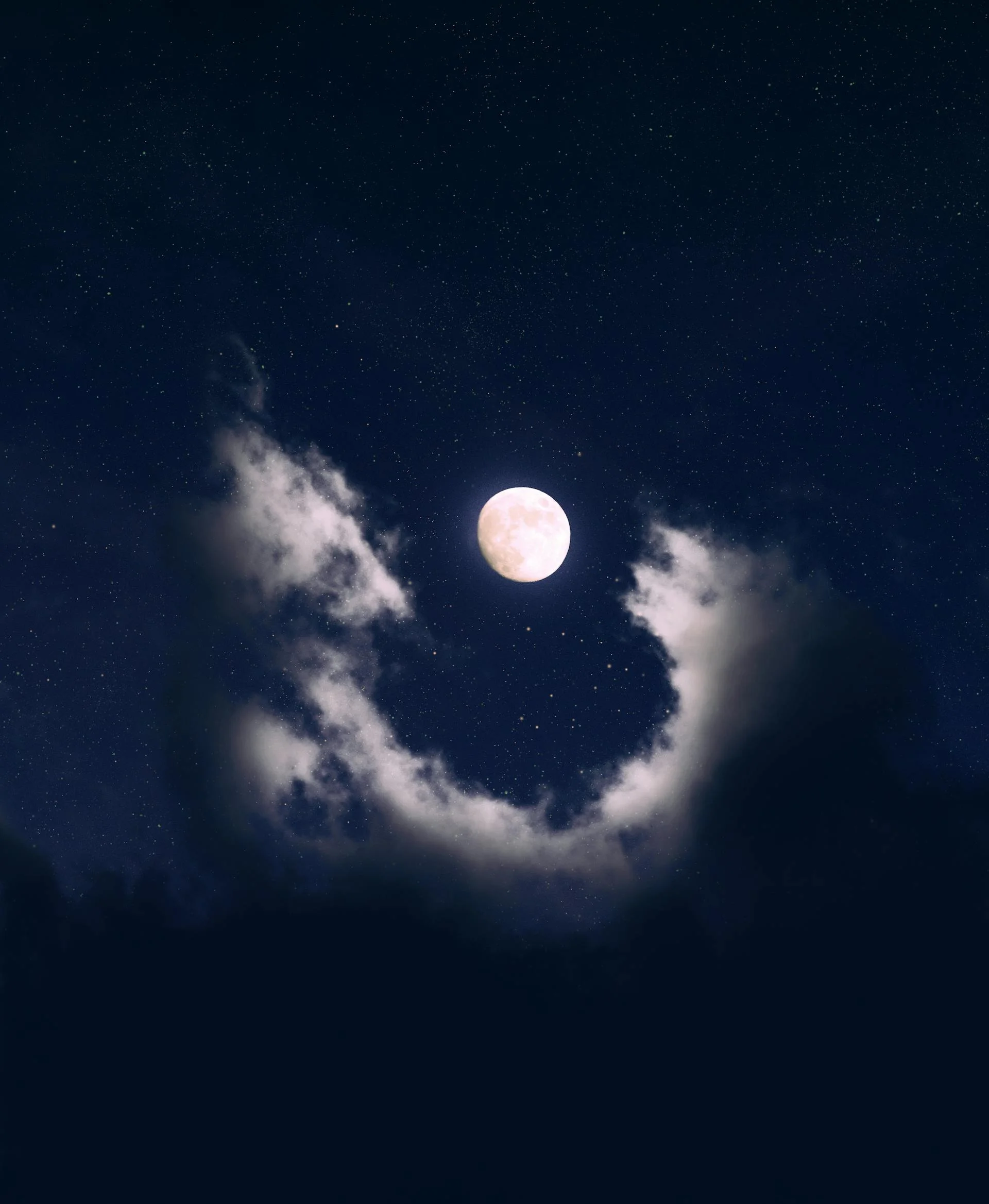
The moon as the pacemaker of life
When I first started consciously aligning my daily life with the lunar calendar, I thought of it as an experiment. Six months later, it had become a fixed practice—not out of dogma, but because I felt a difference. Projects I started on the new moon had more momentum. I used full moon evenings for deep cleaning—both internally and externally. And the days around the waning moon were ideal for retreat and reflection.
The moon is the fastest cosmic object in our immediate vicinity. It orbits the Earth in 29.5 days, passing through eight different phases – each with its own energy, its own invitation to us.
In this article, I explain the eight phases of the moon and their meaning, show you practical rituals, and explain how to live with a lunar calendar—as a living complement to your moon sign and your HumanStars profile.
The 8 phases of the moon and their meaning
1. New moon – new beginnings and intentions
During the new moon, the moon is invisible – it is positioned between the Earth and the sun. It is a moment of silence, emptiness, and potential. This is an ideal time to set new intentions, start new projects, and ask yourself: What do I want to create in the next 29 days?
2. Waxing crescent – First steps
The crescent moon appears in the evening sky. The energy of the new beginning is still fresh. It is time to take the first courageous steps toward your intention—not yet perfect, but with momentum.
3. First quarter – Action and overcoming
The half moon (right half illuminated) indicates: now is the time for active action. Obstacles arise – overcome them. This phase calls for making decisions and committing to them.
4. Waxing gibbous – Refining
The moon is almost full – and the energy is rising. Refine what you have started. Work on details, question your progress. A phase of perseverance and precision.
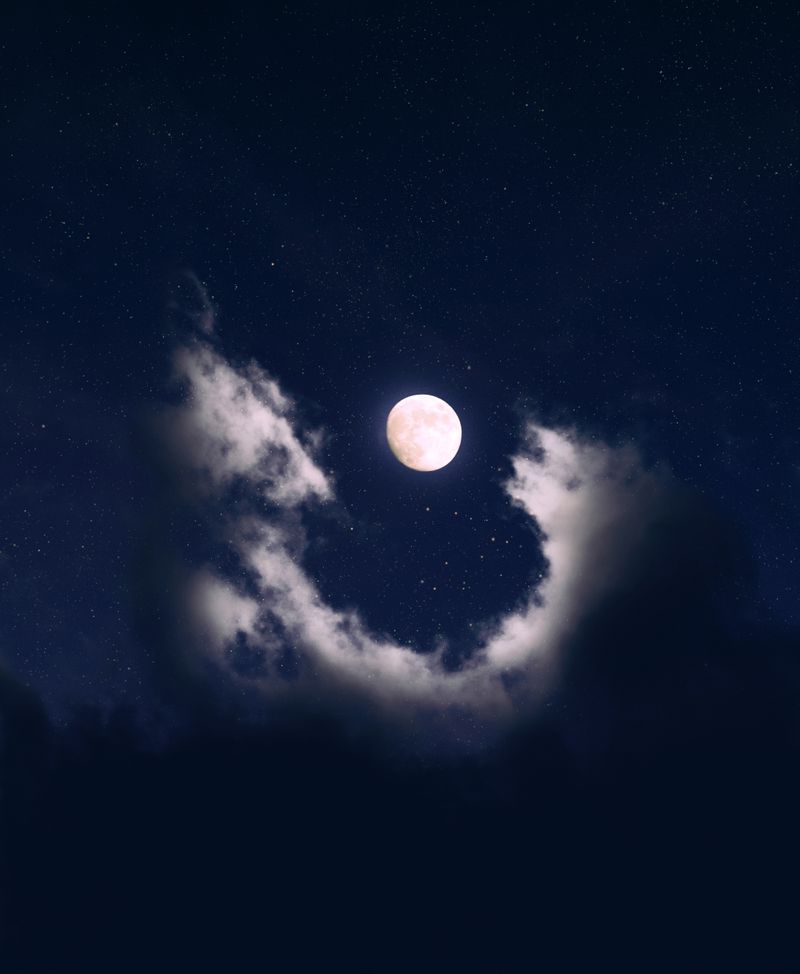
5. Full moon – Fullness, clarity, and letting go
The full moon is the emotional peak of the lunar cycle. Everything becomes visible—light and shadow. What is ripe comes to fruition. What no longer serves you becomes clear. Full moon energy invites gratitude, celebration, and conscious letting go.
6. Waning gibbous – integration
The energy begins to recede. Time to integrate the insights of the full moon. What have you learned? How can you pass on this knowledge?
7. Last Quarter – Reflection and Cleansing
The half moon (left half illuminated) shows that it is time to clean up – internally and externally. Old habits, beliefs, and relationship patterns that no longer serve you can now be consciously let go.
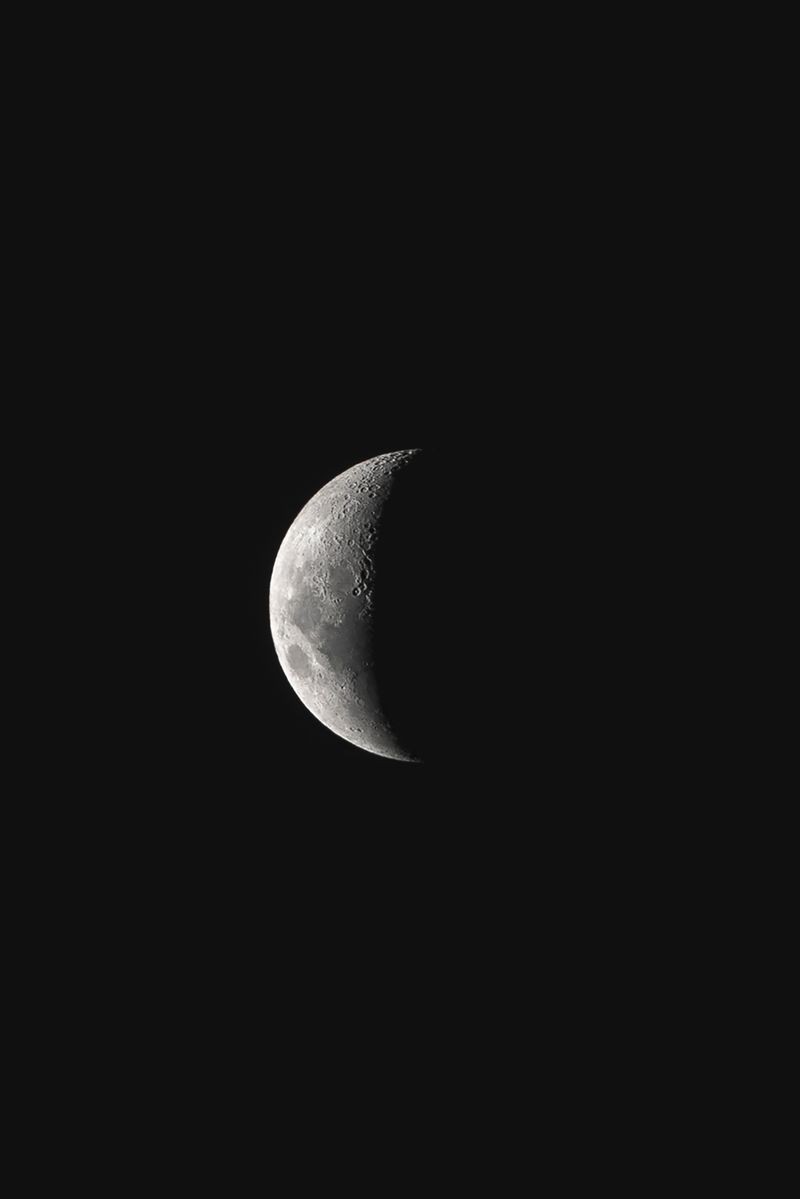
8. Waning crescent – Rest and preparation
Shortly before the next new moon, the moon retreats almost completely. Rest. Meditate. Prepare the ground internally for the new seeds that will be sown with the next new moon.
New moon ritual: How to set powerful intentions
For years, I have been practicing a simple but effective new moon ritual. You don't need much—just time, silence, and a pen:
- Create silence: Put your phone away, light a candle. Create a moment of awareness.
- Review: What happened during the last lunar month? What has changed? What are you ready to let go of?
- Set your intention: Write down three to five intentions—in the present tense and phrased positively. Not "I want less stress" but "I live calmly and with focus."
- Affirmation: Draw one of your affirmation cards and let it support your intention.
- Conclusion: End the ritual with a brief moment of gratitude.
Particularly powerful: Align the ritual with the zodiac sign of the current new moon. A new moon in Capricorn invites intentions around career, structure, and long-term goals. A new moon in Libra invites intentions around harmony, relationships, and beauty.
Full moon ritual: Letting go of what no longer serves you
The full moon is the most emotional moment of the lunar cycle—and one of the most powerful for conscious letting go:
- Mirror of abundance: What has matured in this cycle? What have you created, learned, or received? Write it down—with genuine gratitude.
- Letting go: Write down on a separate sheet of paper what is weighing you down, what you no longer need. Burn the sheet (safely!) or tear it up consciously – as a symbol of letting go.
- Moon water: Place a glass of water under the moonlight (also at the window) and drink it the next morning as a small ritual of renewal.
Scientifically, the effect of the full moon on humans has not been conclusively proven – studies show mixed results. But as a symbolic ritual, the full moon is enormously powerful because it invites us to pause and reflect consciously.
Living with the lunar calendar: Practical tips
You don't have to be a full-time astrologer to benefit from the lunar cycle. Here are some simple ways to integrate the lunar calendar into your everyday life:
- Lunar calendar app: Apps such as "Moon" (iOS/Android) show you the current moon phase and moon sign every day.
- Planning projects: Start new projects on the new moon, set a milestone on the full moon, and revise during the waning phase.
- Health: Many people report that fasting or detox programs are easier during the waning moon phase.
- Gardening: The biodynamic lunar calendar (e.g., by Maria Thun) provides recommendations on when sowing, planting, and harvesting are particularly favorable.
- Inner tidying up: Use the days just before the new moon for meditation, journaling, and conscious self-reflection
Knowing the moon phases in connection with your moon sign gives you an even more personal compass. When the transiting moon passes through your own moon sign, many people experience an emotional intensification—a good time for self-care.
Frequently asked questions about moon phases
How many moon phases are there?
Officially, there are 8 distinct moon phases: new moon, waxing crescent, first quarter, waxing gibbous, full moon, waning gibbous, last quarter, and waning crescent. Sometimes, for simplicity's sake, only 4 main phases are mentioned.
How long is a lunar month?
A complete lunar cycle lasts 29.5 days—from new moon to new moon. This is known as the synodic month.
Does the full moon really affect sleep?
A Basel study from 2013 (Cajochen et al.) showed that test subjects actually slept worse during a full moon and that deep sleep was shorter. More recent meta-analyses are less conclusive. Regardless of the science, many people subjectively report increased alertness and emotional intensity during a full moon.
What does a lunar eclipse mean for astrology?
A lunar eclipse occurs during a full moon when the Earth is between the Sun and the Moon. Astrologically, it is considered to be particularly intense full moon energy – with greater significance for letting go, transformations, and long-term changes. Lunar eclipses fall on the lunar nodes and are therefore closely linked to karmic development themes.
Is there a difference between full moons in different zodiac signs?
Yes. A full moon in Aries invites courage and spontaneity. A full moon in Virgo invites order and attention to detail. The zodiac sign of the full moon colors the energy of this phase – and affects each individual horoscope differently.
How can I find out when the next new moon is?
Free lunar calendars are available at astro.com or in moon apps for smartphones. Many calendar apps also have moon phases integrated.
Can I practice moon rituals even without a spiritual background?
Absolutely. At their core, moon rituals are nothing more than conscious breaks in everyday life – moments of reflection, gratitude, and intention. You don't have to believe in cosmic influences to benefit from this practice.
Further sources
Further articles: The Moon Sign · Affirmation Cards · The Birth Chart
Author: Clara Schuster – enthusiastic blogger on spiritual personal development, has been involved with astrology, human design, and numerology for over 10 years.