Intuitive body confidence: Feel what's good for you again
Your body is constantly sending signals - but many of us have forgotten how to listen to them. Here's how to find your way back to real body wisdom.

When was the last time you really listened to your body—not to an app, a meal plan, or a friend’s well-meaning advice, but to what your body was actually trying to tell you? Intuitive body awareness describes exactly this ability: sharpening your inner perception, recognizing your body’s signals, and trusting them. To many people, this sounds obvious—yet it is far from it. Years of dieting, pressure to perform, stress, and a culture of self-optimization have systematically alienated us from our own body awareness. This article shows you what science knows about body wisdom, why interoception is so crucial, and how you can gradually find your way back to what truly benefits you.
When the body speaks—and we stop listening
Imagine you have meetings all day, skip lunch, and only realize in the evening that you’re irritable, exhausted, and completely drained. Or you keep eating even though you’re actually full, just because your plate is still half full. Moments like these aren’t signs of weakness—they’re the result of a gradual disconnection from your own body.
The causes are manifold: Children learn early on to prioritize external rules over internal needs. Finish your plate. Don’t cry, it doesn’t hurt. You can’t be tired right now. Such messages, as commonplace as they sound, train us to ignore or suppress bodily signals. Added to this are societal norms surrounding beauty, weight, and productivity, which further obscure our inner perspective.
The good news: What has been learned can also be unlearned—and replaced with something better. Body wisdom is not a mystical gift, but a skill that can be learned.

What Interoception Has to Do with Body Confidence
The scientific term for what we colloquially refer to as body awareness is interoception—the nervous system’s ability to perceive, process, and regulate internal bodily states. In 2002, neuroscientist A. D. Craig described this system as a distinct sense: a kind of sixth sense for the body’s internal state, which integrates information about heart rate, breathing rhythm, hunger, satiety, pain, temperature, and emotional states.
Interoception is thus crucial not only for physical well-being but also for emotional intelligence, decision-making, and stress regulation. Those who are attuned to their internal signals make better decisions for themselves—whether regarding food, work, or relationships. Conversely, research findings indicate that impaired interoceptive awareness may be linked to anxiety disorders, eating disorders, and a general decline in well-being.
In 2012, Mehling and colleagues developed the so-called MAIA scale (Multidimensional Assessment of Interoceptive Awareness), a validated measurement tool that assesses eight dimensions of body awareness—ranging from the ability to perceive bodily signals to trust in the body and emotional self-regulation. This tool has greatly helped researchers understand just how complex and learnable body awareness actually is.
Intuitive Eating: Body Wisdom at the Dinner Table
One particularly well-researched area in which intuitive trust in the body plays a central role is our relationship with food. The concept of intuitive eating was developed in 1995 by American nutritionists Evelyn Tribole and Elyse Resch and has since gained a substantial scientific foundation.
Intuitive eating is based on the fundamental principle that the body itself knows best what, when, and how much it needs—provided we learn to listen to its signals again. Tribole and Resch described ten core principles, including letting go of the diet mentality, respecting hunger and fullness, allowing all foods without moral judgment, and developing a friendly relationship with one’s own body.
Numerous studies have since shown that intuitive eating not only improves well-being but is also associated with lower levels of emotional eating, eating disorder symptoms, and psychological stress. Importantly, the goal is not weight loss but health on all levels—physical, emotional, and social.
In 2022, Prentice and Murphy investigated the connection between interoceptive awareness and intuitive eating and found that people with stronger body awareness not only respond better to hunger and satiety signals but are also less likely to eat for emotional reasons. In other words: Those who can listen to their bodies also take better care of them.
Key scientific findings Interoception is not a marginal topic in neurology - it is the foundation of self-perception, emotion regulation and physical well-being. As Mehling et al. (2012) showed with the MAIA scale, body awareness can be measured, taught and changed. Those who learn to listen to their body gain a reliable inner compass for a healthier and more fulfilling life.
Why We Distrust Our Bodies—and What It Costs
Distrust of one’s own body rarely develops overnight. It grows over years, sometimes decades—fueled by cultural messages, personal experiences, and a healthcare system that often prioritizes external measurements over subjective bodily experience.
The influence of diet culture is particularly serious. Those who regularly eat according to calorie charts rather than hunger cues, who exercise because they need to “burn” calories rather than because it feels good, increasingly lose touch with their body’s true signals. The result is a vicious cycle: the more we follow external rules, the more uncertain we become about our internal signals—and the more we seek external guidance once again.
This pattern also manifests on an emotional level. Many people have learned to push away unpleasant bodily sensations like tension, exhaustion, or restlessness instead of acknowledging and responding to them. In the short term, this works—in the long term, it leads to chronic stress, burnout, and a vague feeling of not really knowing oneself.
Building trust in your body therefore means more than just paying closer attention to hunger cues. It means developing an honest, kind relationship with your own body again—without judgment, without expectations of performance.

Building Intuitive Body Confidence: What Really Helps
The good news is: body awareness can be cultivated. And it doesn’t require hours-long meditation sessions or expensive retreats—but above all, curiosity, patience, and small, regular moments of mindfulness.
1. Practice body check-ins: Pause several times a day and ask yourself: How does my body feel right now? Where do I feel tension? Am I hungry, thirsty, tired? These brief pauses—even just 30 seconds—train your interoceptive awareness in a lasting way.
2. Discover the body scan: This technique, which originates from Mindfulness-Based Stress Reduction (MBSR), invites you to systematically let your attention wander through your body without judgment. When practiced regularly, it has been proven to improve interoception and reduce stress.
3. Rediscovering Hunger and Satiety: Pause before eating and ask yourself, on a scale of 1 to 10, how hungry you are. Do the same during and after eating. Not to control yourself, but to reconnect with signals you may have long ignored.
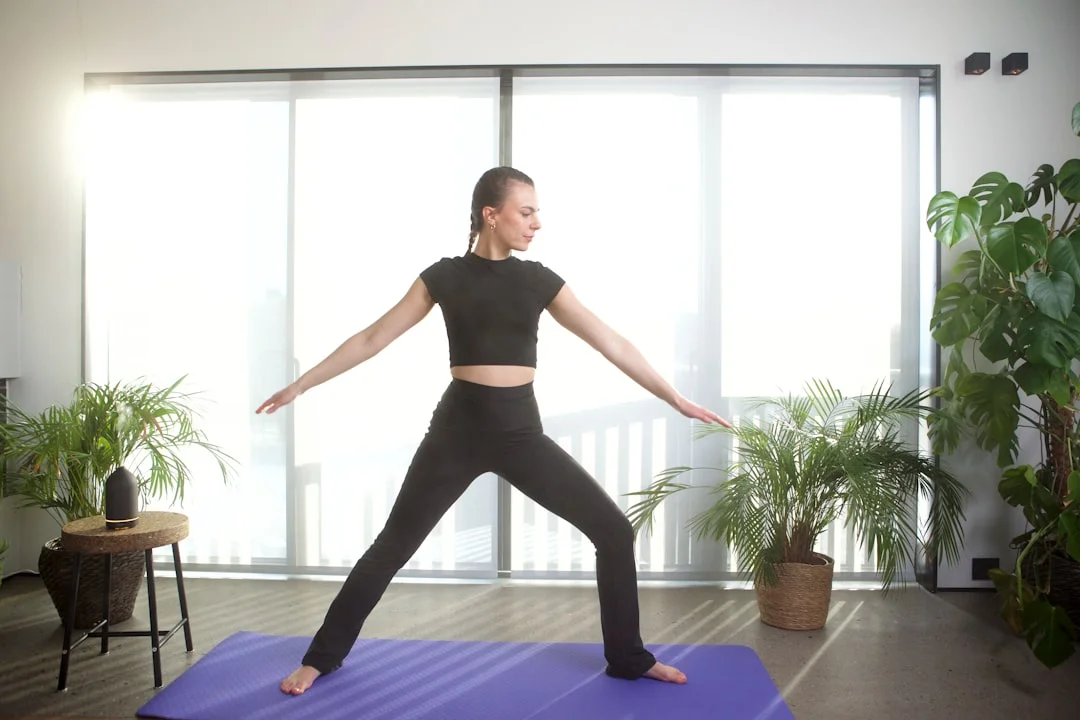
4. Movement as a dialogue: Instead of viewing exercise as a chore, try treating it as a conversation with your body. What does it want today? Stretching? Endurance? Rest? Intuitive movement based on the principles of Tribole and Resch explicitly involves asking which form of movement feels right in the moment.
The Role of Emotions: When Feelings Manifest Physically
Body wisdom doesn’t end with hunger. Our body is a highly sensitive system for registering emotional states—a fact that modern neuroscience has impressively demonstrated. The queasy feeling in the stomach before an exam, the tightness in the chest during a conflict, the lightness after a good conversation: These physical sensations are not mere side effects of our emotional world. They are part of it.
In 2002, Craig described how the insula—a brain region responsible for processing interoceptive signals—plays a central role in the generation of emotions. In other words: feelings are not merely created in the mind, but are felt in the body and transmitted from there to consciousness. Those who are more attuned to their bodies also have better access to their own emotions.
This has practical consequences: People with well-developed interoception often report that they notice sooner when something isn’t good for them—in relationships, at work, or with habits. Their bodies send earlier, clearer warning signals. And they have learned to take these signals seriously before a mild discomfort turns into a tangible problem.
Self-compassion as the foundation for genuine trust in the body
Intuitive body confidence cannot be built as long as we remain in a mode of criticism and control toward ourselves—and our bodies. That is why self-compassion is not a nice bonus, but a fundamental part of this process.
This does not mean self-pity or shirking responsibility, but rather a kind, realistic attitude toward oneself—especially in difficult moments. Those who, after a stressful day, do not judge themselves for having eaten more than planned, but instead ask with curiosity what their body needed at that moment, make a decisive difference.
In their research, Prentice and Murphy (2022) emphasize that a critical, rejecting attitude toward one’s own body has been shown to impair interoceptive perception—essentially as a protective reaction. Those who learn to treat their own bodies with kindness literally open the channel for clearer internal signals.
In practice, this means: consciously replace inner self-criticism with curiosity. Instead of “Why did I do that again…,” ask: “What did my body just tell me?” This small linguistic shift significantly changes the quality of self-perception.
Taking Body Signals Seriously in Everyday Life – Concrete Examples
Theory is good, practice is better. Here are some everyday situations where intuitive trust in your body takes immediate effect:
- While eating: You notice that you’re eating even though you’re actually full—and ask yourself what you really need right now. Boredom? Comfort? Distraction? This pause isn’t a failure, but a first step toward clarity.
- At work: Your neck tenses up, you lose focus and become irritable. Your body is signaling: Take a break. Those who recognize this signal early work more effectively and healthily in the long run.
- In relationships: You feel a tightness in your chest when you agree to certain plans even though you don’t really have the energy. Body signals help you recognize your true limits—before you cross them.
- When sleeping: Instead of sleeping for a set amount of time, you learn to pay attention to signs of tiredness and to rest during the day when your body needs it.
In all these moments, it’s not about perfection, but about mindfulness. Body wisdom isn’t a destination to be reached someday—it’s an ongoing dialogue.
Intuitive Body Confidence and Mental Health
The connection between body awareness and mental well-being is now well-established in research. In 2012, Mehling and colleagues used the MAIA scale to demonstrate that people with higher body awareness—measured across eight dimensions such as attention, emotional response, and trust—exhibit significantly better scores in areas such as emotional regulation, stress management, and overall life satisfaction.
Particularly relevant is the finding that enhanced interoception is associated with a reduced tendency to catastrophize physical sensations. This means that people who know their bodies well evaluate physical signals in a more nuanced way and are less likely to panic when something feels unfamiliar. This, in turn, reduces anxiety symptoms and significantly improves the ability to self-soothe.
For people living with anxiety disorders, depression, or stress-related symptoms, working on interoception can therefore be a valuable complement to other therapeutic approaches—ideally guided by a professional. Body-oriented methods such as Somatic Experiencing, MBSR, or yoga have been described in various studies as effective in strengthening this connection to bodily awareness.
An honest look: When trust in your body reaches its limits
As important as intuitive body trust is—it would be dishonest to ignore the fact that the body isn’t always a reliable guide. Chronic stress, sleep deprivation, trauma, or certain medical conditions can distort the interoceptive system. Someone suffering from an eating disorder may initially be unable to eat intuitively—because the signals are masked by the disorder itself. In such cases, professional support is not only advisable but necessary.
The concept of intuitive eating as outlined by Tribole and Resch also explicitly emphasizes that it is not a substitute for medical or therapeutic treatment, but rather a framework for people who fundamentally wish to rebuild a healthy relationship with their bodies. Body wisdom requires a minimum level of physical and psychological safety—and sometimes the first step is to build that very safety with the help of others.
This point is not meant to discourage, but to be realistic. The path back to one’s own body is more straightforward for some people, more winding for others—and both are perfectly fine.
Trust your body again
The Vitality & Health Coaching Cards combine body awareness with daily impulses for your well-being.
Your daily companion for inner growth
With the 7zen app, you receive daily coaching impulses, guided breathing exercises and personal reflections - all based on your individual profile.
What exactly does intuitive body confidence mean?
Intuitive body confidence refers to the ability to perceive and understand inner body signals and use them as a reliable guide for your own behavior. It is about consciously perceiving and reacting to hunger, satiety, tiredness, tension and other physical sensations - instead of ignoring these signals or replacing them with external rules. Scientifically, this ability is closely linked to interoception, i.e. the perception of the inside of the body by the nervous system.
Can I really learn intuitive body confidence or is it innate?
Although body awareness is partly innate, it can be learned and changed to a large extent. As Mehling et al. (2012) showed with the MAIA scale, it is a multidimensional competence that can be trained through targeted exercises, mindfulness-based practices and a friendly attitude towards the body. Regular, curious inward attention is crucial - over months, not days.
Is intuitive eating the same as intuitive body confidence?
Intuitive eating according to Tribole and Resch (1995) is an important part of intuitive body confidence, but it is not the same thing. Body confidence encompasses all areas of bodily experience - from emotions and movement to sleep and stress perception. Intuitive eating focuses specifically on the area of nutrition and restoring a natural, non-judgmental relationship to food and body signals around eating.
What if I can barely feel my body - is that normal?
Yes, this is more common than you might think. Chronic stress, trauma, a long history of dieting or simply a very head-focused lifestyle can lead to severely limited access to physical signals. This is not a personal failure, but a protective mechanism of the nervous system. With mindful, careful practice - for example through body scans or short daily check-ins - this access can be gradually reopened. Therapeutic support can be very helpful in the case of pronounced difficulties.
How are interoception and emotional health connected?
The connection is close and scientifically well documented. The neuroscientist Craig described in 2002 that the brain region responsible for interoception (the insula) is also centrally involved in the development and processing of emotions. People with stronger body awareness can perceive and regulate their feelings in a more differentiated way. They recognize earlier when something is wrong and have better tools to react to it - which contributes to greater emotional well-being and resilience in the long term.
Are there situations in which I shouldn't trust my body?
Yes, and this is important to emphasize. In certain illnesses - including eating disorders, severe anxiety disorders or after traumatic experiences - body signals can be distorted or overwhelming. In these cases, professional support from therapists or doctors is highly advisable before working with intuitive approaches alone. Body confidence requires a minimum level of security and stability. Prentice and Murphy (2022) point out that a secure therapeutic base is the necessary first step for many people.
Your body is not an enemy to be conquered—nor is it a tool you need to optimize. It is a highly developed, intelligent system that constantly provides you with information about what you need, what is good for you, and where your limits lie. Developing intuitive trust in your body means taking this information seriously again—with curiosity instead of judgment, with kindness instead of control.
This takes time. It takes practice. And sometimes it takes support. But the first step is easier than you think: Pause for a moment today, take a deep breath, and ask yourself honestly—How does my body feel right now? Not what you think it should feel, but what is actually there. This moment of honest attention is the beginning of everything.
Your action step for today: Set a reminder three times a day for the next seven days—in the morning, at noon, and in the evening. When it goes off, pause briefly and answer just one question: What is my body sensing right now? Write it down if you like—without judgment, without a plan. Just observation. This one small habit is the beginning of your journey back to true body wisdom.