Social media and body image: how Instagram is changing us
How does Instagram really change our self-image? Studies show alarming correlations - and how we can protect ourselves.
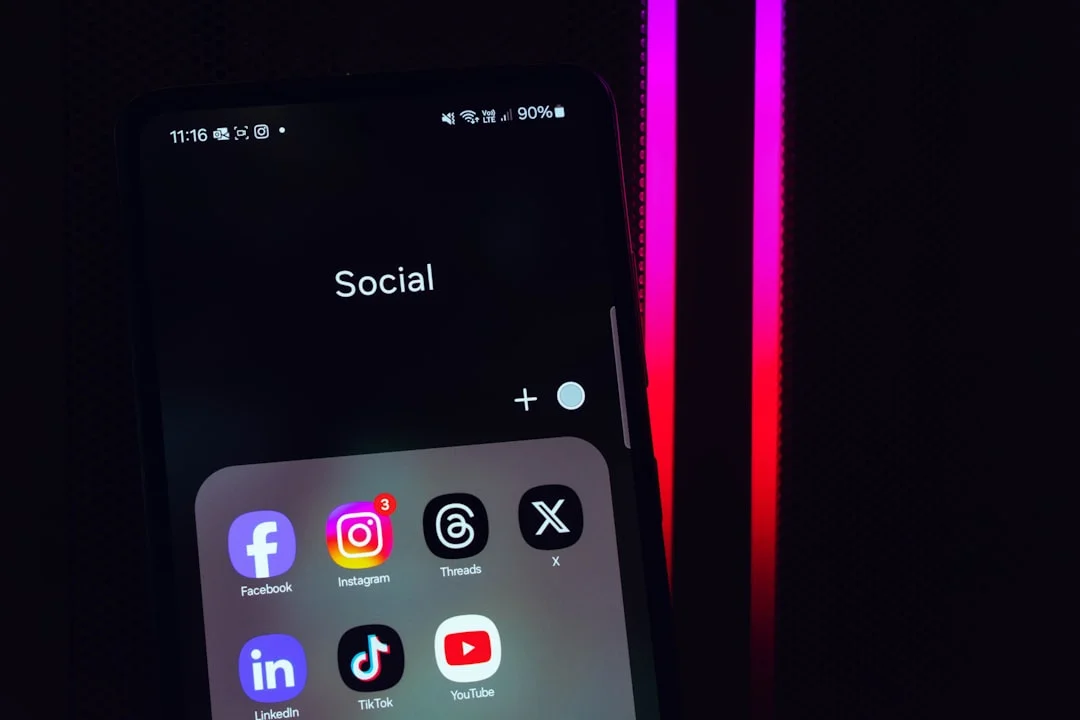
Do you know that feeling of putting your phone down and feeling worse than before? You scroll through your feed, see flawless skin, perfectly sculpted bodies, and beaming smiles—and suddenly, your own reflection in the mirror seems somehow… off. This phenomenon isn’t a coincidence, nor is it a personal weakness. Research on body image and social media has shown for years that platforms like Instagram have a measurable, often harmful influence on how we perceive ourselves. This article explores what science knows about why our brains fall into this trap so easily—and, most importantly, what concrete steps we can take to counteract it.
What happens in our minds when we scroll?
Our brain is a social machine. For hundreds of thousands of years, humans have compared themselves to their surroundings—this made evolutionary sense for assessing one’s own status within the group. But this ancient mechanism simply isn’t designed for a world full of carefully curated, glossy images.
When we scroll through Instagram, we automatically trigger what psychologists call social comparison. We measure ourselves—mostly unconsciously—against what we see. The problem: What we see on social media platforms isn’t reality. It’s a compilation of the most beautiful, successful, and perfect moments of countless people. No real person can measure up to this collective highlight reel.
What makes this particularly insidious is that this comparison process happens so quickly and unconsciously that we barely notice it. Only the quiet unease afterward, that vague feeling of inadequacy, reveals to us what just happened.
What Research Says About Instagram and Self-Image
For over a decade, scientists have been intensively studying the connection between Instagram, self-image, and social media use. The findings are clear and should give us pause.
As early as 2015, Fardouly and colleagues demonstrated in a widely cited study that women reported significantly higher levels of dissatisfaction with their own bodies after viewing beauty images on social media—even when the images were from friends rather than professional models. This finding is particularly significant: even images from our own social circles, which we should actually classify as “normal,” can negatively impact body image.
In 2016, Holland and Tiggemann investigated what kind of content on Instagram is particularly problematic. Their findings: The more time female users spent viewing images focused on the body and appearance, the stronger their desire to be slim—and the lower their body satisfaction. The intensity of platform use alone was less decisive than the type of content.
The Facebook Internal Report: A Company Knows Best
The publication of internal research findings by the Facebook corporation (now Meta) in 2021 was particularly sensational. Over several years, the company’s own researchers investigated how Instagram affects the well-being of young female users—and the results were alarming.
According to this internal report, 32 percent of teenage girls stated that Instagram made them feel worse about their bodies when they were already feeling down. The platform amplified existing insecurities rather than alleviating them. Even more concerning: the internal data also found a link between thoughts of eating disorders and suicide and Instagram use. The company was aware of these findings—and did not publish them voluntarily.
This revelation marked a turning point in the public discussion about body image and social media: it is no longer just independent researchers, but the companies themselves that possess evidence of the harm their products can cause.
Internal research by Meta (Facebook Internal Research, 2021) According to an internal Facebook report (2021), 32% of teenage girls surveyed reported that Instagram made them feel worse about their bodies - especially during already stressful moments. This figure does not come from critics or activists, but from within the company itself.
Filters and Beauty Ideals: The Invisible Shift
In addition to curated content, digital image editing filters are playing an increasingly significant role. Nearly every image posted on Instagram is edited in some way—whether through simple adjustments to brightness and contrast or through sophisticated filters that alter facial features, smooth skin, and make noses appear narrower and eyes larger.
In 2018, Kleemans and colleagues specifically investigated the effect of these filter-beauty ideal combinations on body image. Their study showed that viewing filtered images had a more negative impact on body image than viewing unedited photos—even when participants knew the images had been edited. Thus, rational knowledge of the manipulation does not fully protect us from its effects.
This phenomenon can be explained by the fact that our emotional response to visual stimuli occurs much faster than our critical thinking. Before we can consciously think, “This has definitely been edited,” our brain has already processed the image and compared it to our own appearance.
So-called beauty filters are particularly widespread today in apps like Instagram, TikTok, or Snapchat. Some of these filters smooth the skin in real time, remove pores, make the eyes larger, and narrow the jawline—a face that does not exist in nature becomes the norm. Dermatologists are already referring to the phenomenon of “Snapchat dysmorphia” (body dysmorphic disorder caused by digital filters): patients come to the clinic wanting to look like their filtered self-image.
Who is particularly at risk?
Although social media use can generally influence body image in many people, research shows clear differences in who is particularly vulnerable.
Adolescents and young adults are the group most at risk. During adolescence, body image is still developing, identity is not yet established—and social media usage is highest in this age group. Facebook’s internal research team found in 2021 that the negative effects on well-being were particularly pronounced among girls aged 13 to 17.
But adults are not immune either. Fardouly et al. (2015) showed that even women in middle adulthood reported greater body dissatisfaction after using social media. People who already have a tendency toward social comparison, who have low self-esteem, or who have experienced bullying or rejection in the past due to their appearance are particularly affected.
The gender perspective is also interesting: While the issue was long considered primarily a women’s problem, recent studies show that young men are also increasingly suffering from the pressure of idealized body images—muscular, defined bodies dominate their feeds and trigger similar comparison mechanisms.
Body Image on Social Media: The Role of Algorithms
An often underestimated factor is the role of algorithms, which determine what content we see. These algorithms are designed to maximize our attention—and attention is triggered by emotional reactions. Images featuring attractive, idealized bodies have been shown to receive more engagement, which leads the algorithm to prioritize them.
The result: Even if we don’t follow anyone who shares exclusively beauty-related content, these images are repeatedly presented to us through the platforms’ recommendation features. The feed is not a neutral reflection of the world—it is a curated beauty machine that systematically prioritizes the extraordinary, the flawless, and the idealized.
Holland and Tiggemann (2016) emphasized precisely this point in their research: It is not merely the individual user’s decision which content they see, but a structural problem built into the platform’s architecture. Individual media literacy alone cannot fully solve this structural problem—but it can make us significantly more resilient.
Positive Countertrends: Body Positivity and Authentic Content
It would be incomplete to focus solely on the negative aspects. In recent years, a counter-movement has emerged on social media that has the potential to positively transform the impact on body image.
The body positivity movement has brought content into the mainstream that shows bodies in their natural diversity: with stretch marks, cellulite, disabilities, different skin tones, and body shapes. Some influencers have explicitly decided to forego filters and share unedited images.
And indeed, research shows: Viewing images that depict body diversity can improve body image. When we encounter bodies that are more realistic and diverse than the classic beauty ideal, our standards of comparison gradually shift as well. This means: As users, we have a real influence through our subscription choices on the impact social media has on our body image.
However, we should be honest: even the body positivity movement is not free of contradictions. On platforms, body acceptance has sometimes become an aesthetic trend that itself favors certain bodies and poses—and excludes others. So it’s always worth taking a critical look.
Digital Media Health: What Really Works
Research findings point to specific strategies that are actually effective—not bans, not total abstinence, but a more mindful approach to digital media.
Actively curate your own feed
Unfollow accounts that consistently make you feel bad. That sounds trivial, but it’s one of the most effective steps. You decide who you invite into your digital living room. Instead, follow accounts that showcase body diversity, authenticity, or topics that truly inspire you—regardless of appearance.
Conscious scrolling instead of automatic scrolling
Set clear time slots for using social media. Being aware of when and how long you scroll already reduces the risk of unconsciously falling into negative spirals of comparison. Many smartphones today offer usage time reminders that can help with this.
Practice critical thinking about media
Make it a habit to pause briefly and ask: Is this image edited? What aspect of reality is this person showing? What am I not seeing? This simple questioning can interrupt the automatic process of social comparison—even if, as Kleemans et al. (2018) showed, it is not sufficient on its own, it must become part of a broader awareness.
Strengthen offline body experiences
Nothing compensates for a healthy body image as effectively as positive, real-life physical experiences. Exercise that brings joy rather than feeling like a punishment, physical touch, good food, sleep—all of these strengthen the feeling of being at home in your own body. A body image based on genuine sensations is less susceptible to virtual comparisons.
What Parents, Schools, and Society Can Do
Individual responsibility alone should not be overemphasized. Facebook’s 2021 internal report made it clear that structural and corporate responsibility are at play here. Regulation, transparency requirements for paid and filtered content, and media literacy education are tasks for society as a whole.
It is important for parents to talk openly with children and teens about social media—not in a prohibitive way, but as a shared exploration. What do you see there? How does that make you feel? Is that real or edited? Such conversations lay the foundation for critical media awareness that will stay with children throughout their lives.
Schools could integrate media literacy as a core subject into the curriculum—not as technical knowledge about how to use apps, but as a psychological and social examination of digital content and its effects on self-perception and well-being.
And platforms themselves also have a responsibility. Norway and several other countries have already passed laws requiring that paid content involving image editing be labeled accordingly. This is a small but symbolically important step toward greater transparency.
Strengthen your self-image
The Coaching Cards replace the scroll with reflection - daily impulses that connect you with your true value.
Your daily companion for inner growth
With the 7zen app, you receive daily coaching impulses, guided breathing exercises and personal reflections - all based on your individual profile.
Does social media use have the same effect on everyone's body image?
No. Research shows clear individual differences. Young people, people with low self-esteem or a tendency towards social comparison and people who have already had negative body experiences in the past are particularly at risk. But even adults without these risk factors are not completely immune - as Fardouly et al. (2015) showed, even brief social media use can temporarily reduce body satisfaction in women of different age groups.
Does it really help to unfollow accounts that make you feel bad about your body?
Yes, and much more than many people expect. By actively shaping your feed and subscribing to accounts that show body diversity and authenticity, you change the standards of comparison that your brain automatically works with. This is not a magical solution, but it is a concrete and effective first step that can be implemented immediately and at no cost.
If I know that an image has been edited, does that protect me from negative effects?
Unfortunately, only to a limited extent. Kleemans and colleagues showed in 2018 that rational knowledge of image processing does not completely neutralize the emotional effect of filters. Our brain processes visual stimuli faster than our critical thinking. Nevertheless, media literacy helps - it is an important building block, but must be supplemented by other strategies such as positive offline physical experiences and conscious feed design.
Are men just as affected by these problems as women?
For a long time, the topic was mainly studied in relation to women and girls. However, recent research shows that young men are also increasingly suffering from ideal body images on social media - images of muscular, defined bodies in particular trigger similar comparison mechanisms. The characteristics are often different (muscle building instead of weight loss), but the psychological processes behind them are comparable.
At what point does social media become problematic for body image?
There is no clear threshold for this. Research - including Holland and Tiggemann (2016) - suggests that it is less the pure duration of use that is decisive than the type of content viewed. Intensive viewing of body-related content is more problematic than longer but more varied use, even for short periods of use. Nevertheless, when in doubt, less is more - especially for young people.
Can social media also have a positive impact on body image?
Yes, absolutely. If users specifically follow accounts that show body diversity, inclusion and authenticity, this can shift the standard of comparison in a healthier direction. Online communities around body acceptance, sport and healthy eating can also have a strengthening and unifying effect. Social media is not just a risk tool - it's how we use it that matters.
The link between body image on social media and our daily well-being is not just media hype—it is scientifically proven, from Fardouly et al. (2015) to Holland and Tiggemann (2016) and Meta’s internal research findings (2021). What these studies show in common: We live in a digital environment that, at its core, was not optimized for mental well-being, but for attention and interaction. This is not something we need to blame ourselves for—but it is a truth we can handle responsibly.
Your call to action for today: Open Instagram or another social media app of your choice and look at your list of followed accounts. Ask yourself honestly about each one: How do I feel when I see posts from this account? Inspired, informed, connected—or smaller, inadequate, dissatisfied? Unfollow at least three accounts today that consistently make you feel bad about your body. And instead, follow an account that showcases body diversity, real people, or content that truly enriches you. A small step in your feed—a real step for your self-image.