Strengthening and Weakening Elements: The Toolkit
Feng Shui Techniques Explained Simply: How to Balance, Strengthen, and Weaken the Elements—Using All Five Phases.
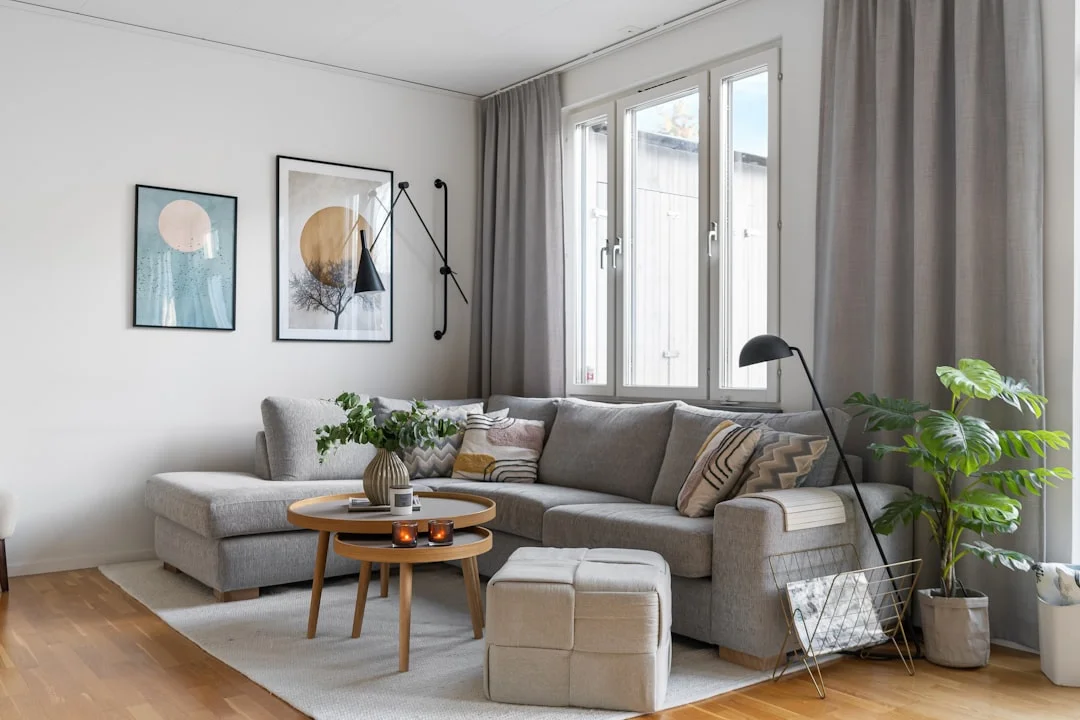
Maybe you’ve experienced this feeling: A room seems somehow too chaotic, too cold, too noisy—or strangely lifeless, even though everything looks fine on the surface. In Feng Shui, this sensation is often explained by an imbalance of the five elements. Strengthening an element in Feng Shui or gently toning down an overpowering element—that may sound abstract at first, but it’s surprisingly tangible. This article walks you through the practical toolkit: How can you tell which element has fallen out of balance? And which Feng Shui measures are suitable for strengthening or toning it down? You’ll see: color is just one of five elements—and that opens up possibilities that work even in a rental situation.
The Five Elements: A Brief Overview
Wood, Fire, Earth, Metal, and Water—the five elements of Feng Shui do not describe materials in the literal sense, but rather qualities, forms of movement, and energy patterns. Wood represents growth and new beginnings; Fire, radiance and warmth; Earth, stability and grounding; Metal, clarity and precision; and Water, depth and flexibility.
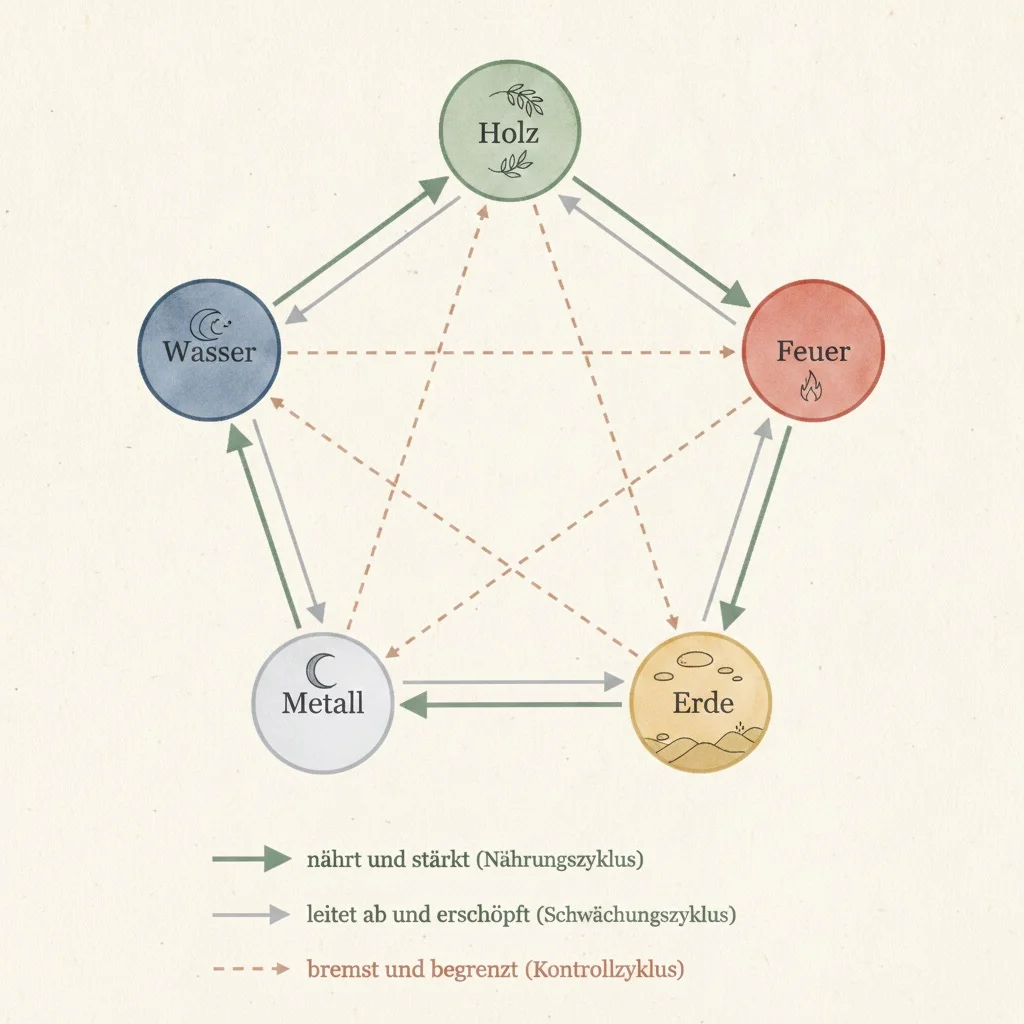
There are two fundamental relationships between these five qualities: the Nourishing Cycle (also known as the Mother-Child Cycle), in which each element nurtures the next, and the Controlling Cycle, in which each element keeps another in check. These cycles are the key to all Feng Shui remedies—that is, to targeted measures designed to correct an imbalance.
Research in environmental psychology suggests that our perception of spaces is strongly shaped by sensory stimuli: colors, shapes, materials, and lighting conditions influence mood and well-being in measurable ways (Kaplan & Kaplan, 1989). The Feng Shui model of the elements can be understood as a time-honored organizational framework for precisely these stimuli—without the need to assign it a metaphysical context.
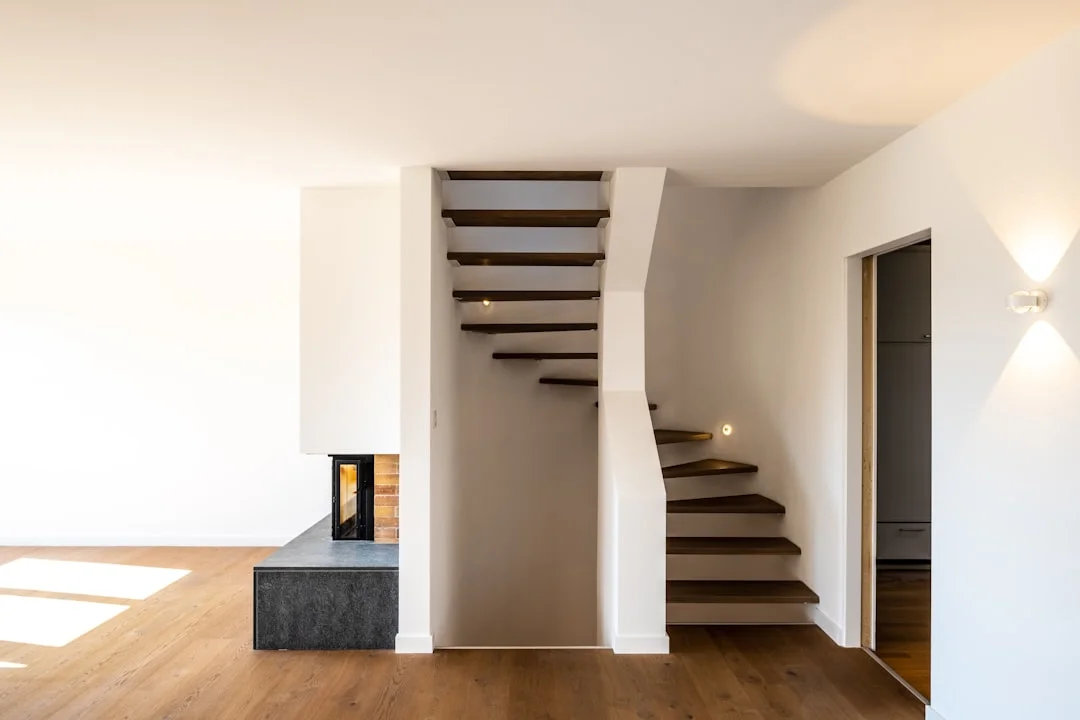
Taking Stock: Which Element Is Too Strong or Too Weak?
Before any action can be effective, a kind of assessment is needed—a mindful diagnosis of the space. This isn’t a clinical evaluation, but rather an honest self-awareness: How does the space feel? What predominates? What is missing?
A room in which the Fire element predominates may feel agitated, restless, or overheated—with many sharp shapes, glaring light, and intense shades of red. If, on the other hand, the Wood element is missing, a room may seem rigid, uninspired, or lacking in energy. An excess of Metal can manifest as coldness or excessive rigidity, while too much Water is sometimes associated with a heavy, melancholic atmosphere.
This assessment is, of course, subjective—and that’s perfectly fine. Feng Shui encourages us to view our own perceptions as a valid tool. Research on spatial perception suggests that people intuitively respond to certain qualities of a space, even if they cannot put them into words (Gifford, 1988). The next time you enter a room, you might simply ask yourself: What is there too much of—and what is missing?
Strengthening an Element in Feng Shui: The Nourishing Cycle as the First Choice
If an element appears too weak, classical Feng Shui recommends strengthening it through the cycle of nourishment: You provide the element in question with its mother element—that is, the element that nourishes and builds it up within the cycle. This method is considered gentle and harmonious because it does not create suppression but rather supports natural growth.
The order in the cycle of generation is: Wood generates Fire → Fire generates Earth → Earth generates Metal → Metal generates Water → Water generates Wood. So, if you want to strengthen the Fire element, you introduce more Wood qualities into the space. If you want the Metal element to grow, you first strengthen the Earth.
It is important to understand that you can introduce the element directly—or through its parent element. Both approaches work; the parent element often acts as a gentle preparation of the ground.
Toning Down an Element: The Toning-Down Cycle Before the Control Cycle
If an element appears too dominant, there are two ways to weaken it—and their order is crucial:
First: The Weakening Cycle (nourishing the child element)
The more elegant and gentler method: Strengthen the child element—that is, the element that nourishes the overpowering one and thereby consumes its energy. The element that is too strong, so to speak, exhausts itself by giving. Example: Too much Fire is not countered with Water—that would be too abrupt—but is diverted with Earth. Fire nourishes Earth; introducing more Earth qualities into the space draws the Fire energy away without creating a conflict. Similarly: Too much Wood is balanced by Fire elements—the Wood, so to speak, burns off its excess energy.
Second: The Control Cycle (as a secondary measure)
If the weakening cycle is insufficient or the imbalance is very pronounced, the controlling element can also be employed. In the control cycle, each element subdues another: Water controls Fire, Fire controls Metal, Metal controls Wood, Wood controls Earth, and Earth controls Water. This method is more effective but also more intense—it should therefore be used with caution, as too much control can suppress the counterbalance itself and create new imbalances.
The rule of thumb is therefore: First nourish (strengthen the mother), then channel (strengthen the child), then—if necessary—control. This principle of a gentle sequence of steps is also reflected in other areas of interior design: Research on stress reduction through environmental design shows that subtle, harmonious changes often have a more lasting effect than drastic interventions (Ulrich et al., 1991).
Scientific Background Research in environmental psychology suggests that colors, shapes, and materials in rooms can have a noticeable influence on the emotional experience of the people inside them—regardless of whether this effect is consciously perceived. In their Attention Restoration Theory, Kaplan & Kaplan (1989) describe how certain spatial qualities can contribute to inner relaxation. The Feng Shui elemental model can be understood as a time-honored system for classifying these spatial qualities.
The Five Elements: Color Is Just the Beginning
One of the most common misconceptions in Feng Shui: Many people think that strengthening an element means painting a wall a certain color. But color is just one of five elements through which an element can be brought into a room. That’s good news—especially for people who rent or don’t want to make major structural changes.
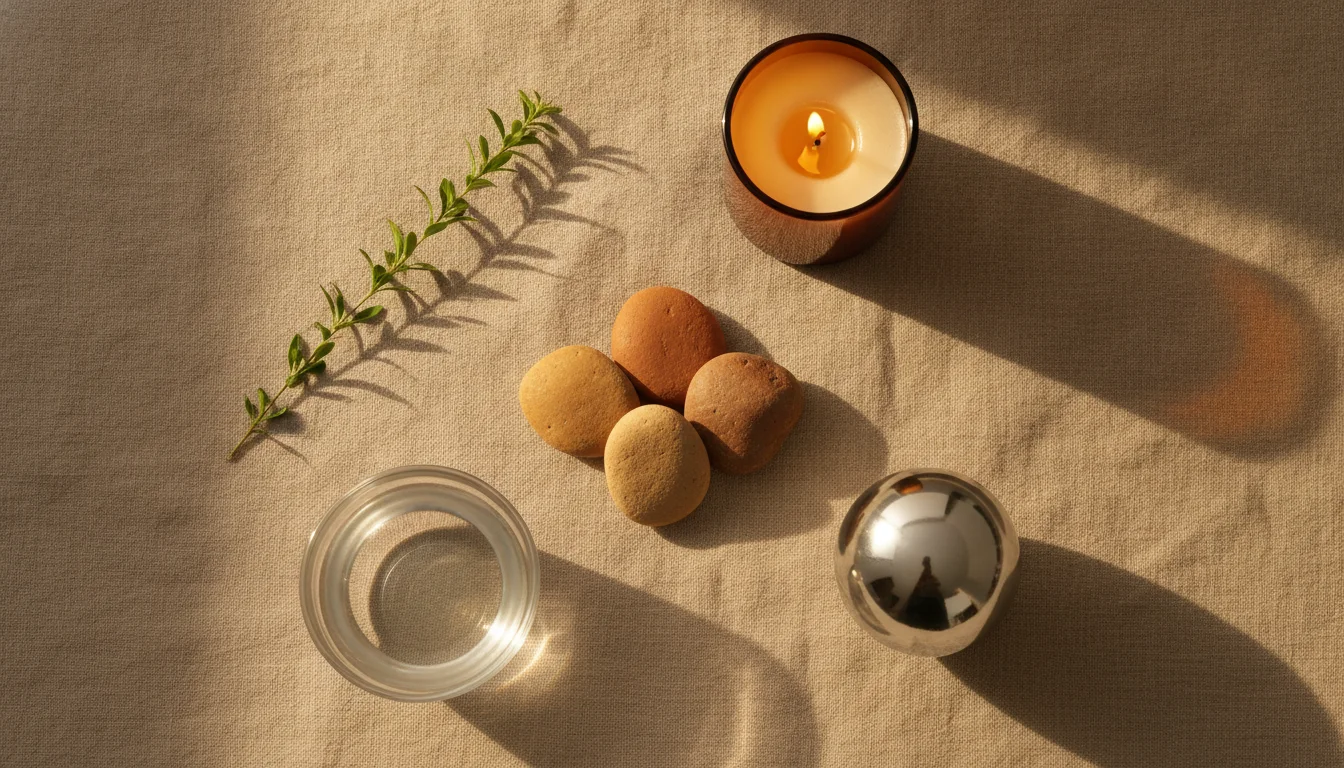
The five elements are: (1) color, (2) shape, (3) material, (4) object, and (5) light. Each of these elements can represent an element on its own—even without the others. A round metal mirror embodies the Metal element solely through its shape and material, even if it isn’t a “metallic” color. A low, square coffee table made of clay brings Earth into the room—through both its shape and material. The potential for Feng Shui practices is thus much greater than it might initially appear.
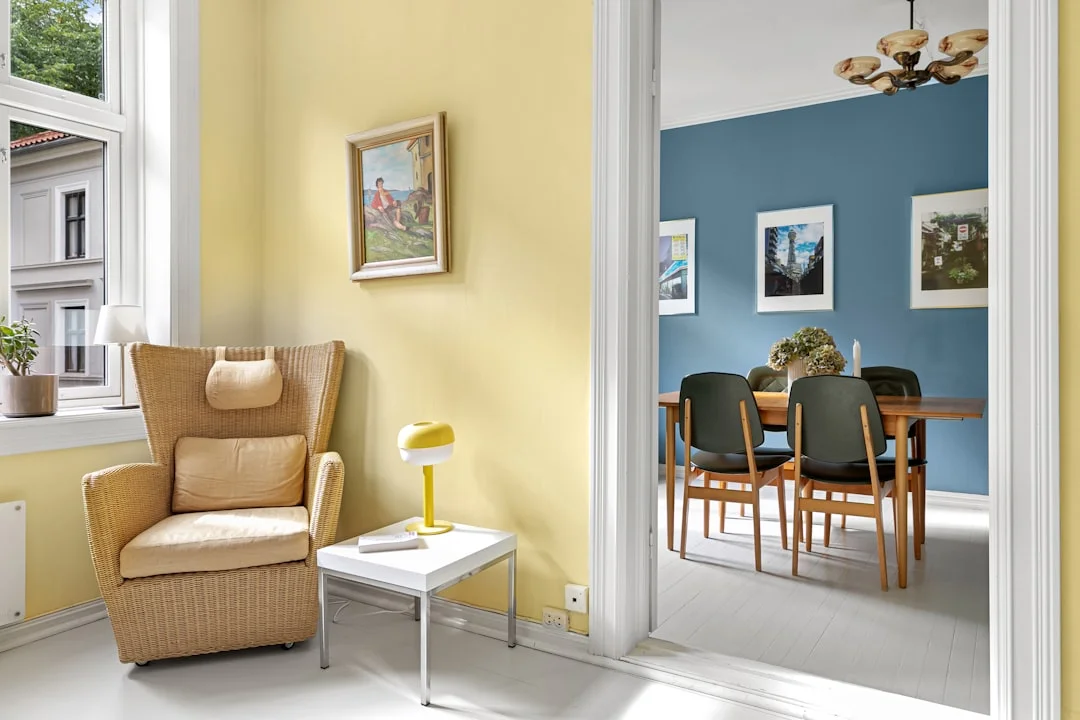
All Five Elements with All Five Carriers—The Complete Toolkit
Here you’ll find all five elements listed, each with all five carriers. This overview can serve as your personal toolkit for Feng Shui remedies—both for strengthening and for balancing.
Wood
- Color: Green, blue-green, fresh light green
- Shape: Vertical, column-like, slender and reaching upward
- Material: Real wood, natural textiles such as linen or cotton, live plants
- Objects: Wooden furniture, houseplants, tall bookshelves, slender vases, bamboo
- Light: Natural daylight, morning light, bright but soft light (e.g., filtered through curtains)
Fire
- Color: Red, orange, coral, deep pink, violet
- Shape: Pointed, triangular, jagged, flame-shaped
- Material: Candles, leather, synthetic fabrics, fur or fur-like textures
- Objects: Candleholders, fireplaces, string lights, triangular decorative elements, striking works of art
- Light: Warm, flickering candlelight, intense spotlights, dimmer set to maximum brightness
Earth
- Color: Yellow, ochre, beige, sand, terracotta, muted brown tones
- Shape: Flat, square, laid horizontally, low and wide
- Material: Ceramic, natural stone, clay, loam, brick, heavy woven fabrics
- Objects: Flat bowls, ceramic vessels, stone sculptures, low side tables, heavy blankets and pillows
- Light: Warm, subdued light, floor lamps, diffused light from a low position
Metal
- Color: White, gray, silver, gold, light cream
- Shape: Round, domed, oval, circular—closed and complete
- Material: Metal (steel, copper, brass, iron), glass, light-colored porcelain
- Objects: Metal frames, round mirrors, glass vases, metal wind chimes, copper or brass bowls
- Light: Clear, white light; LED light in a cool white tone; spotlights with a precise beam
Water
- Color: Dark blue, black, deep blue, turquoise (in its darker shade)
- Shape: Wavy, flowing, irregular, asymmetrical, organically curved
- Material: Real water (fountain, aquarium), mirrors, reflective surfaces, dark-toned glass
- Objects: Indoor fountains, aquariums, mirrors with curved frames, dark glass objects, images of bodies of water
- Light: Dimmed, blue, or cool light; reflections from water surfaces; a moonlit atmosphere
Feng Shui Tips for Rental Apartments: No Paintbrush or Drill Required
A common objection is: “I’m not allowed to paint my walls—so what can I do?” The answer from the Element Model is encouraging: quite a lot. As you saw above, color is just one of five carriers. If the wall remains neutral, shape, material, objects, and light can each carry the element on their own.
Perhaps you’d like to use the following ideas as inspiration:
- Strengthening the Wood element without green walls: A tall, slender houseplant, a shelf made of real wood, or a vertically striped linen curtain bring the Wood element into the room—without a single brushstroke.
- Toning down fire without remodeling: If a room has too much fire energy (many pointed shapes, intense light, warm hues in pillows and blankets), flat ceramic bowls, stone objects, or earthy textiles on the floor could help channel the energy through the earth element.
- Introducing Metal Without Renovating: A round mirror with a metal frame, a brass bowl, or a glass vase on the windowsill—each of these items embodies the Metal element without requiring any painting or alterations.
- Suggesting Water Without a Fountain: Dark, organically shaped pillows, a curved rug in dark blue, or a picture of a calm lake can bring water-like qualities into the room—gently and reversibly.
Research on the psychology of living suggests that people who can consciously design their living environment often report a higher sense of well-being—even when the changes are small (Lewin, 1951, cited in Gifford, 2014). The ability to balance elements without making structural changes thus opens up real opportunities for many people to take action.
Balancing Elements: A Practical Step-by-Step Example
To illustrate how the cycles and carriers interact, here’s an example: A living room might feel restless and overstimulating. The decor features many pointed shapes (shelves with triangular decorative elements), intense red accents, bright spotlights from above, and hardly any calm surfaces. The assessment might be: an excess of Fire.
Step 1 – Weakening Cycle (Strengthen Earth): Fire nourishes Earth—introducing more Earth qualities will draw out the excess Fire energy. Specifically, this could include a flat, square coffee table made of natural stone, earthy textiles in beige and ochre, a flat ceramic bowl on the sideboard, and softer lighting from floor lamps instead of spotlights.
Step 2 – Control Cycle (Add Water, if Necessary): If the Fire imbalance is very pronounced, adding some Water qualities could help—a small round mirror, a dark blue pillow, or perhaps a picture of calm water. Don’t overdo it: The control cycle can quickly tip out of balance.
Step 3 – Observe: Feng Shui is not a one-time adjustment, but an ongoing dialogue with the space. Perhaps after a few weeks, you’d like to pause and reflect: Has anything changed? Does the room feel different? This kind of mindful self-observation is valuable in its own right—regardless of whether you fully follow the elemental concept.
Common Pitfalls in Balancing the Elements
Anyone exploring Feng Shui remedies for the first time may encounter some common misconceptions. It might be helpful to identify them:
- Too Much at Once: The desire to strengthen all five elements at the same time can quickly lead to feeling overwhelmed—both for the space and for the person designing it. Research on decision-making suggests that too many options and stimuli can reduce satisfaction (Schwartz, 2004). In this case, less can be more.
- Focusing only on color: As described, color is just one of five elements. Those who focus exclusively on color are wasting a lot of potential—and may overwhelm themselves with the desire for a complete repaint.
- Overestimating the control cycle: It can be tempting to simply counter a strong element with its opposing element. But the control cycle creates tension and can shift the balance rather than restore it. The weakening cycle is the gentler and more sustainable first choice.
- Perfectionism: Feng Shui isn’t an exact science with guaranteed results—and that’s okay. It invites you to become more mindful, not to create a perfect space. Maybe you’d like to think of it as an experiment, not a task.
For a comprehensive analysis: On-site consultation
This article offers some guidelines for your own living space—and that’s a good place to start. However, a comprehensive Feng Shui analysis should be conducted by a trained consultant. It takes into account factors that a written guide cannot: the location of the house, the layout of the rooms, the actual compass directions in the floor plan, the surroundings, and the people who live there. In most regions, there are specialists available; consulting with one is particularly advisable when renovating, buying a home, or when the preferences of several people in the household cannot be reconciled.
Is it possible to overemphasize an element?
Yes, that’s possible. If one element is overemphasized, the imbalance can tip in the other direction. A room with a very strong Water element—lots of dark colors, curved shapes, multiple mirrors, a fountain—may feel oppressive or melancholic. That’s why Feng Shui always recommends proceeding step by step and consciously observing the effects, rather than implementing all changes at once.
Do I have to use all five carriers of an element to achieve an effect?
No. Even just one or two elements can be enough to make a noticeable impact in the room. A single round mirror with a metal frame can represent the metal element without requiring any changes to color, lighting, or other objects. The five elements are a toolbox—you choose what works and what’s possible.
Why should I add soil—and not water—when there's too much fire?
In the weakening cycle, the overpowering element expends its energy by nourishing its child element: Fire nourishes Earth. More Earth qualities in the space draw out the Fire energy without creating a direct conflict. Using Water against Fire would be the control cycle—this has a more intense effect and can create tension. The weakening cycle is considered the gentler, more harmonious first choice.
How can I tell which element in my room is too strong or too weak?
Mindful self-observation can be a good starting point: How does the space feel? What stands out visually—many pointed shapes, round shapes, or horizontal surfaces? Which materials dominate? Which colors? And how do you react emotionally to the space? Feng Shui encourages you to take your own perceptions seriously. There is no objectively “correct” assessment—only one that feels right to you.
Does Feng Shui work in small rooms or rental apartments, too?
Yes, and often especially well. Precisely because color is just one of five elements, there are many possibilities in rental apartments: objects, shapes, materials, and lighting can be changed without any structural alterations. A new rug, a plant, a lamp, or a natural stone bowl can already make a noticeable difference in the atmosphere of a room.
Is Feng Shui scientifically proven?
Feng Shui as a system is not a scientifically validated concept in the strict sense. However, individual aspects—such as the influence of colors, shapes, light, and materials on well-being—are studied by environmental psychology, and research suggests that these factors can indeed influence the experience of spaces. Feng Shui can be understood as a time-honored framework for organizing these spatial qualities—without requiring one to share metaphysical beliefs in order to benefit from a more conscious design of one’s own environment.
The Feng Shui toolkit is richer than it appears at first glance. Balancing the elements doesn’t mean remodeling your home or painting walls—it means becoming more attentive to shapes, materials, light, and objects that are already there or can be easily changed. The cycles—Nourishing, Weakening, and Controlling—provide clear guidance on which direction a particular action might make sense.
Perhaps, as a first step today, you might mindfully observe a single room in your home: Which element might be missing there? And which of its five carriers—color, shape, material, object, or light—would be the easiest to incorporate? Sometimes, a lasting change begins with a single small, conscious decision.
Please note: This article is not a substitute for professional counseling or therapy. If you are facing stressful life situations, we recommend seeking expert support.