What Feng Shui Is Not: An Honest Assessment
Criticism of Feng Shui Without Mockery: What the Practice Can Really Do—and Where Exaggeration Begins.
Feng Shui is on everyone’s lips—and in many living rooms. On social media, short videos promise wealth through rearranging furniture, and well-meaning guides explain which corner of a room is responsible for which aspect of happiness in life. Anyone who seriously explores Feng Shui quickly encounters a contradiction: On the one hand, this millennia-old Chinese philosophy of spatial arrangement contains genuine, experiential knowledge about light, air, order, and human well-being. On the other hand, it’s shrouded in a thick layer of exaggeration, marketing, and occasionally claims that go far beyond the tradition. This article aims to distinguish between the two—respectful of the tradition, honest about its limitations. A critique of Feng Shui that knows neither mockery nor evasion.
If you’re wondering why a magazine that presents Feng Shui favorably in other articles is now writing a sober concluding piece: that’s exactly why. Because genuine appreciation of a practice means not romanticizing it. And because, as a reader, you deserve to know where the teachings end and the advertising message begins.
Why Feng Shui Is Part of 7zen
7zen is based on a simple idea: be who you are. This includes the assumption that the inner and outer worlds are interconnected—that your surroundings affect you, and that what goes on inside you is also reflected in how you live.
This interdependence is precisely what Feng Shui is all about. It views space not as a backdrop, but as a counterpart, and it works with what occurs naturally in the world: light and air, water and wood, stone and metal. A harmonious external environment can therefore potentially touch on inner issues—not as a cure and not at the push of a button, but because the one is connected to the other.
Here’s an analogy: If you run regularly, eat well, and work on your inner attitude, you’ll become a good runner—no shoe can change that. But with the right shoes, running is easier. Feng Shui is roughly that: not the training, but the shoes. It doesn’t replace anything you’re already doing for yourself—it can complement it.
This is not a guarantee of results. It’s the mindset from which we approach this topic.
Feng Shui is a design philosophy, not a healing method
This point is deliberately listed first because it is the most important: Feng Shui is no substitute for a medical examination, psychotherapeutic treatment, or medical care. This may sound obvious, but in practice it clearly isn’t—because time and again, we encounter statements suggesting that a certain room layout can “cure” sleep disorders, “resolve” anxiety, or “eliminate” chronic fatigue.
Such statements are not only misleading but, in the worst case, can contribute to people delaying necessary professional help. If you’re not feeling well physically or emotionally, your first step should be to consult a doctor or therapist—not to rearrange your furniture.
With all due respect for the tradition, Feng Shui can, at best, be understood as a complementary practice in conscious interior design. Some people experience an improvement in their everyday well-being through it—and that is valuable. But this value lies in the realm of everyday life, not medicine.
Feng Shui from a Scientific Perspective: What Do Researchers Say?
Anyone looking for reliable scientific evidence of Feng Shui’s effectiveness will find none. There are no controlled studies showing that aligning a bed with a specific compass direction or placing a mirror on a specific wall has a measurable effect on well-being, health, or quality of life—at least not beyond what is already commonly known.
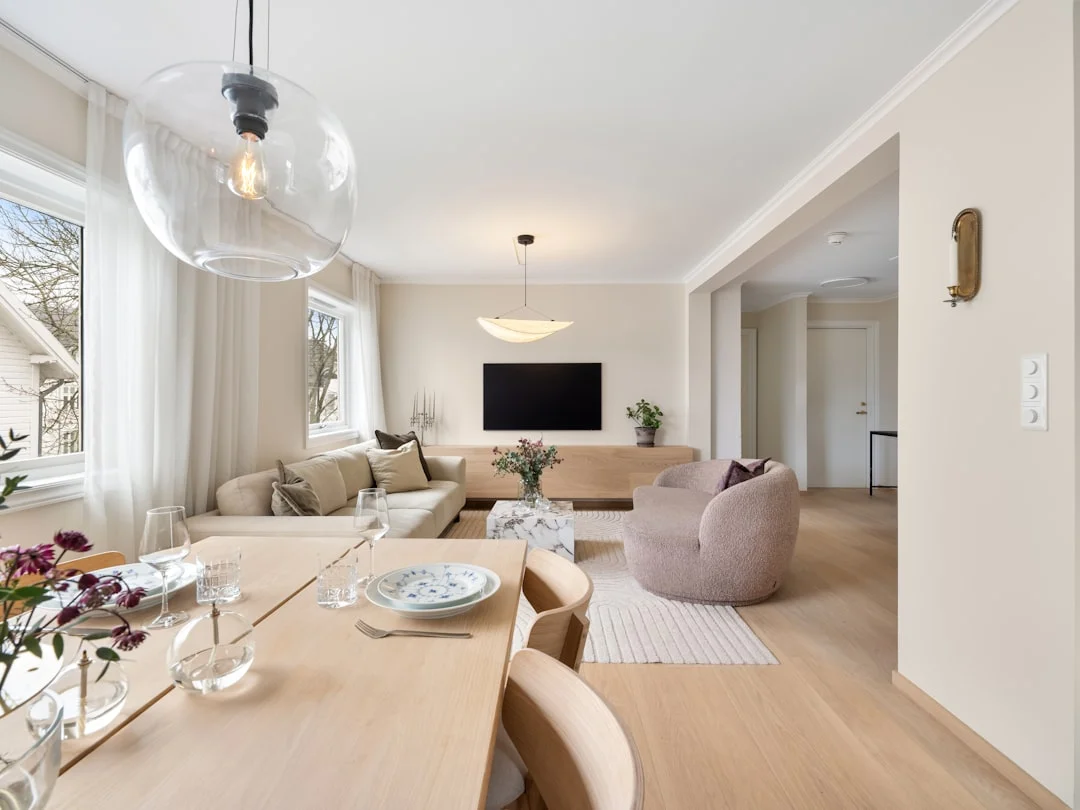
What research does show, however, are the effects of factors that Feng Shui traditionally emphasizes: natural light, air quality, order, and the conscious design of one’s living space can noticeably influence well-being. For example, environmental psychology suggests that cluttered, dark, or cramped rooms can increase stress levels—as demonstrated by studies by Saxbe and Repetti (2010) demonstrated, who found a link between a home perceived as “chaotic” and elevated cortisol levels in women.
This isn’t magic or chi (life energy)—it’s psychology. And that doesn’t diminish the value of the practice in the least. It simply means we shouldn’t confuse the mechanism. If a Feng Shui consultation leads someone to tidy up their home, let in bright light, and consciously reflect on their space, then it’s very likely that this is precisely what’s having an effect—and not some invisible energy flow.
Order, Light, and Decision: Obvious Explanations for Real Experiences
Many people report feeling significantly more comfortable after a Feng Shui redesign of their spaces. These experiences are real and deserve to be taken seriously. The only question is: How can this be explained?
Three factors stand out in particular:
- Order: Tidying up and decluttering are central recommendations of virtually every school of Feng Shui. Research suggests that visual clutter can increase cognitive load—so a tidy space can actually help your mind feel clearer and calmer.
- Light: Natural light influences the circadian rhythm and mood, as studies in chronobiology and sleep research have repeatedly suggested. Letting more light into a room is a very conventional explanation for an improved sense of well-being.
- Conscious Choice and Expectation: Anyone who takes the time to intentionally design their space is making an active choice to improve their quality of life. This act of self-efficacy alone can have a positive effect on well-being. Added to this is the well-documented expectation effect (placebo research): When we believe that a change will do us good, we often experience it that way.
All of this sounds prosaic—and perhaps it is. But prosaic doesn’t mean ineffective. It simply means: You don’t need metaphysical explanations to justify the benefits. The down-to-earth explanation is perfectly sufficient.
Scientific Background: Space and the Experience of Stress In their study, Saxbe and Repetti (2010) found that women who described their homes as cluttered and overcrowded had higher cortisol levels throughout the day than those who perceived their spaces as calm and orderly. It’s not magic—it’s psychology. And that doesn’t make the finding any less significant.
Feng Shui: Superstition or Empirical Knowledge? An Honest Distinction
Feng Shui is not a monolithic doctrine. The term encompasses a broad spectrum—ranging from well-founded, culturally deep-rooted empirical knowledge about interior design and orientation to claims that, without exaggeration, can be described as Feng Shui superstition.
The latter includes, for example, the promises widely circulated in Western Feng Shui regarding the Bagua, an octagonal energy grid that assigns specific areas of life to different sections of a room. When it is claimed that placing a lucky bamboo plant in the southeast corner of the living room increases the flow of money, this is not a teaching of classical Chinese spatial philosophy—it is marketing.
That doesn’t mean the Bagua is worthless as a tool for reflection. Some people find it useful to interpret their space symbolically and ask, “Which area of my life is reflected in my home, and how?” This is a creative method for self-reflection—but that’s all it is, nothing more. Those who understand it as such can use it to their advantage. Those who believe they can establish causal relationships with it will be disappointed.
Feng Shui in Real Life: The Wealth Corner Doesn't Bring Money
One of the most persistent and problematic claims in popular Feng Shui is the idea that certain corners of a room—often referred to as the “wealth corner” or “relationship corner”—have a direct influence on financial or interpersonal relationships. Such claims have no basis in classical Feng Shui teachings, which originally focused on architecture, orientation, and the relationship between humans and the natural environment.
They stem largely from Western popularization, which has simplified, dramatized, and—quite frankly—commercialized the system. If someone spends money on a special crystal meant to attract wealth in the southeast corner, that has about as much to do with traditional Feng Shui as a horoscope app has to do with ancient astronomy: It shares the symbolism, not the substance.
Viewed realistically, Feng Shui means that the practice can encourage you to engage more consciously with your living space, reflect on your priorities, and tackle changes. That alone can be valuable. But money doesn’t flow through a newly arranged corner of a room—at most, new energy flows through a decision you make yourself.
Compass School, Three-Door Method—and Why It Matters
Anyone who delves deeper into Feng Shui inevitably encounters another problem: there is no single, uniform school of thought. The two best-known schools in the West—the classical Compass School (also known as the Luopan Method) and the so-called Black Sect Feng Shui, better known as the Three-Door Method or BTB (Black Tantric Buddhism)—fundamentally contradict each other on key points.
The Compass School is based on actual cardinal directions and calculates energy distributions based on birth dates and astronomical alignment. The Three-Door Method, on the other hand, completely ignores cardinal directions and always positions the Bagua relative to the main entrance door. A room that exhibits certain energy fields according to the Compass School has a completely different structure according to the Three-Door Method—meaning that the recommendations from both approaches can be diametrically opposed.
This is no small matter. And for you as someone interested in the subject, it means this: Anyone offering you Feng Shui consultation should clearly state which school they follow—and why. Anyone who doesn’t do this, or who pretends there’s only one true method, is either unsure of themselves or dishonest. Neither option bodes well. Transparency should be a given in any reputable consultation.
This internal inconsistency is not an argument against exploring Feng Shui—but it is a clear indication that we are dealing here with a system of experience and culture, not with an exact science. This can be said without devaluing the tradition.
Recognizing Feng Shui Limits: What Really Costs Nothing
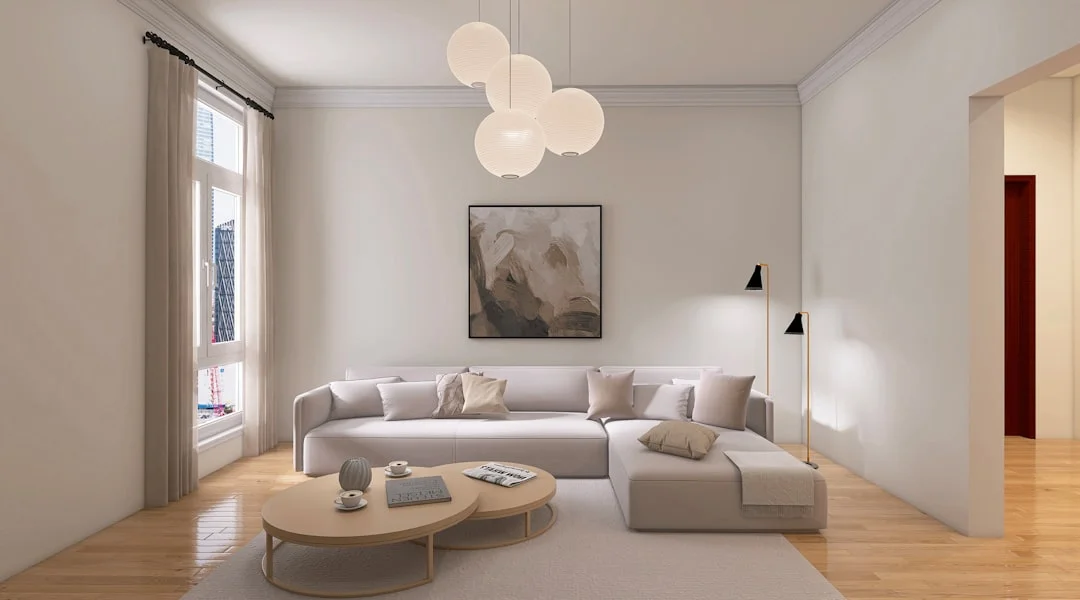
One of the biggest myths surrounding Feng Shui is the idea that you have to spend a lot of money to create a pleasant atmosphere in a room. Crystals, wind chimes, special mirrors, energy stones, and building biology-Feng Shui hybrids that require consultation fees—the market is vast, and it thrives on the feeling that without the right objects, you’re not optimally set up.
The truth is: The most effective measures traditionally associated with Feng Shui cost nothing. Or almost nothing. A brief overview:
- Tidying up and decluttering: The most fundamental Feng Shui practice is clearing the way for energy—specifically, letting go of things you no longer need or love. This takes time and determination, but no money.
- Rearranging furniture: Questions like how energy can flow through a room, how much space remains between pieces of furniture, or whether you can see the door while sleeping—these are considerations that don’t require any new purchases.
- Adjusting the lighting: Opening curtains, placing a mirror so that it reflects natural light, or using a light bulb with a warmer tone—these are inexpensive or free measures with potentially noticeable effects.
- Plants: A live plant has been proven to improve humidity and can positively influence the indoor climate. Taking a cutting from your neighbor’s windowsill is a time-honored tradition—and it’s free.
Anyone who tells you that you absolutely need Product X for harmonious Feng Shui may have an interest in selling you Product X. This isn’t a conspiracy theory—it’s the free market. And you’re allowed to see right through it.
What Feng Shui Can Be—If You Let It
After all this sober analysis, we don’t want to give the impression that Feng Shui is worthless. It isn’t. With realistic expectations, it can serve as a useful framework for something many people need anyway: an opportunity to consciously engage with their own living space.
Some people find that the symbolic language of Feng Shui helps them articulate things they might not otherwise be able to express so easily. The statement “The energy in this room feels heavy” can be a helpful starting point—even if “energy” here does not refer to a physical quantity but rather describes a feeling. Language that brings what is inside to the outside has its value.
When used respectfully and realistically, Feng Shui can encourage greater mindfulness in daily life, heighten awareness of one’s surroundings, and spark processes of change. All of this is possible—as long as you don’t expect a corner of the room to do your bookkeeping or a crystal by the window to bring about your next relationship.
The teaching itself—in its classical form—is a fascinating piece of cultural history that has been refined over centuries and contains profound observations about people, space, and nature. It deserves respect. And respect also means not turning it into a wish-fulfillment machine.
An Honest Conclusion: Criticism of Feng Shui as a Sign of Appreciation
Criticism is not an attack. Those who take a practice seriously also ask uncomfortable questions. Those who value a tradition protect it from being co-opted by exaggeration and commercialism. That is the mindset from which this article emerged.
Classifying Feng Shui scientifically does not mean rejecting it. It means: knowing the limits of its claims, recognizing the difference between tradition and marketing, and making use of what proves useful in one’s own lived reality—without being guided by promises of salvation that the teaching itself, even in its original form, never made.
If, after reading this text, you look at Feng Shui with clearer eyes—both at what it can be and what it is not—then this article has served its purpose. Knowledge protects. And a space that truly does you good ultimately comes about through your own decisions—not through wind chimes.
For a comprehensive analysis: On-site consultation
This article offers some guidelines for your own living space—and that’s a good place to start. However, a comprehensive Feng Shui analysis should be conducted by a trained consultant. It takes into account what a written guide cannot: the location of the house, the layout of the rooms, the actual cardinal directions in the floor plan, the surroundings, and the people who live there. In most regions, there are specialists available; consulting with one is particularly advisable when renovating, buying a home, or when the preferences of several people in the household cannot be reconciled.
Can Feng Shui improve my health?
Feng Shui is not a healing method and is not a substitute for medical or therapeutic treatment. However, it is well established that environmental factors such as natural light, organization, and air quality can influence one’s general sense of well-being. In this sense, mindful interior design—which Feng Shui can inspire—may contribute to a better sense of well-being in daily life. However, if you have health concerns, you should always seek professional help first.
Is there scientific evidence supporting the effectiveness of Feng Shui?
There is no reliable scientific evidence for the specific metaphysical assumptions of Feng Shui—such as the effect of chi energy pathways. However, research does show that environmental factors such as light, order, room layout, and plants can have a measurable impact on well-being. Saxbe and Repetti (2010), for example, showed that living spaces perceived as chaotic can be associated with increased stress levels. These findings support many practical Feng Shui recommendations—but through the lens of entirely conventional psychological explanations.
Which school of Feng Shui is the right one?
There is no single “correct” school of thought. The classical Compass School and the Three-Door Method (BTB), which is widely used in the West, contradict each other in key underlying assumptions—for example, regarding whether compass directions are relevant or not. Both systems have their own internal logic and their own followers. Anyone seeking a consultation should make sure that the consultant clearly explains which method they use and why—this is a sign of professionalism.
Do I have to buy expensive products to practice Feng Shui?
No. The most basic measures—and those most deeply rooted in tradition—such as tidying up, decluttering, rearranging furniture, and improving lighting—cost nothing or very little. Crystals, wind chimes, or special objects are supplements, not the foundation. Anyone who suggests that good feng shui isn’t possible without certain products may have a commercial interest. Trust your own judgment.
Is Feng Shui Superstition?
That depends very much on which aspect is being referred to. Classical teachings contain millennia-old empirical knowledge about architecture, orientation, and the relationship between people and space—this is cultural and practical knowledge, not superstition. However, some popular claims—such as the idea that a certain corner of a room attracts money—go far beyond what the tradition actually asserts. This is where the realm begins that one is justified in viewing critically.
Can Feng Shui be a useful complementary practice?
Yes, it can—with realistic expectations. If Feng Shui encourages us to be more mindful of our living space, to embrace change, and to reflect on how we want to live, then it can be an enriching practice. It’s important not to confuse the symbolic level with causal promises—and never to view Feng Shui as a substitute for medical or therapeutic support.
Your prompt for today: Walk through a room in your home and look at it as if you were seeing it for the first time. Not through the eyes of Feng Shui—just through your own. What bothers you? What makes you feel good? What’s been there for a long time and might no longer belong there? Maybe you’d like to pick out one small thing you can change today—without shopping, without consulting an expert, without following a system. Just you and your space. That’s the essence of what makes Feng Shui timelessly valuable: the invitation to live mindfully.